UAE
Abu Dhabi Emergency Readiness Review Targets Unstable Weather Risks
Abu Dhabi Emergency Readiness Review Targets Unstable Weather Risks
By Amani Khan
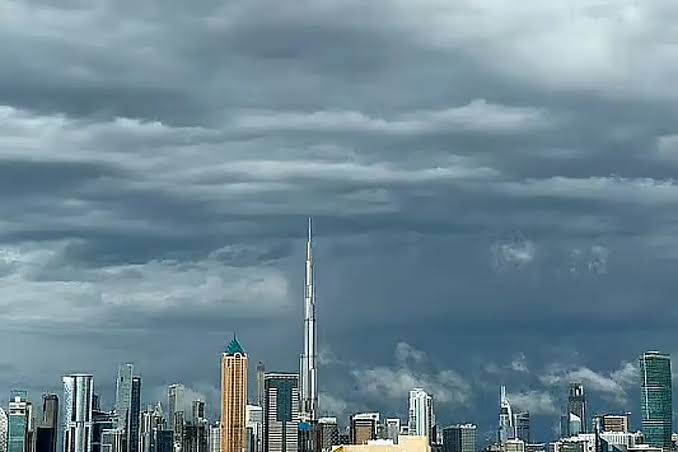
Abu Dhabi is checking its defences before the weather turns. The emirate's senior emergency leadership has reviewed how ready its vital sectors are to handle risks, with unstable weather and drainage capacity high on the agenda.
Major General Ahmed Saif bin Zaitoon Al Muhairi, Commander-in-Chief of Abu Dhabi Police, chaired the periodic meeting. He also heads the Abu Dhabi Emergencies, Crises and Disasters Management Team.
What did the Abu Dhabi emergency readiness meeting cover?
The discussions centred on one question: can the emirate's vital sectors respond effectively to a wide range of risks and incidents? The team put particular emphasis on proactive preparedness, meaning action before a problem develops rather than after.
Participants carried out a comprehensive review of operational readiness. They paid special attention to risks that arise from unstable weather conditions.
Rainwater drainage and network capacity
The team examined the capacity of networks and rainwater drainage infrastructure. These systems matter most when heavy rainfall tests roads, tunnels and residential areas.
The review also covered the preventive measures already in place. Those measures aim to strengthen preparedness and ensure an effective response to potential weather-related changes in the coming months.
Key facts at a glance
The table below sets out the essentials of the meeting.
| Item | Detail |
|---|---|
| Chair | Major General Ahmed Saif bin Zaitoon Al Muhairi |
| Role | Commander-in-Chief of Abu Dhabi Police |
| Team | Abu Dhabi Emergencies, Crises and Disasters Management Team |
| Type of meeting | Periodic meeting |
| Main focus | Readiness of vital sectors to respond to risks and incidents |
| Weather focus | Unstable weather conditions |
| Infrastructure reviewed | Networks and rainwater drainage capacity |
| Outlook | Potential weather-related changes in the coming months |
Why proactive preparedness matters
Emergency planners rarely win praise for what does not happen. A well-prepared system quietly absorbs shocks, and residents often never notice the work behind it.
That is the logic behind this meeting. By testing drainage networks and response plans early, Abu Dhabi gives its teams time to fix weak points before conditions change.
The approach also reflects a wider habit across the Gulf of planning ahead. For another example of rapid regional coordination, see our report on the GCC command centre in Kuwait approved to boost joint defence.
A coordinated institutional approach
Major General Al Muhairi stressed the importance of maintaining a coordinated institutional approach. He reaffirmed the commitment to enhancing readiness and strengthening proactive responses to various challenges.
He framed that commitment as part of the UAE leadership's directives. The stated goals are to safeguard public safety and preserve the achievements of Abu Dhabi and the UAE.
Thanks to field and operational teams
He expressed his appreciation to all entities, field teams and operational teams. He praised their outstanding efforts and strong sense of national responsibility.
He also highlighted the efficiency and professionalism of the emirate's emergency and crisis management system. In his assessment, close cooperation and coordination among all responding entities made that performance possible.
The principle behind the response
These efforts, he said, reflect the directives of the UAE's wise leadership. Those directives affirm that "everyone living in the UAE is a responsibility and a trust".
That line sets the tone for the whole exercise. Emergency planning here rests on a duty of care that extends to every resident, not only to citizens.
Residents who want the wider policy context can browse the UAE Government portal. Official safety and security information also appears on the Ministry of Interior website.
What the team will do next
At the close of the meeting, the Head of the Team stressed the need to maintain the highest level of readiness. That standard applies to all types of risks and incidents, not only to weather.
He also called for stronger cooperation and coordination among the entities involved. He voiced his hope that their efforts will keep contributing to the well-being and prosperity of the United Arab Emirates.
Summary of the commitments
| Commitment | Purpose |
|---|---|
| Maintain the highest level of readiness | Respond to all types of risks and incidents |
| Strengthen cooperation and coordination | Keep all responding entities working together |
| Enhance proactive responses | Safeguard public safety |
| Preserve national achievements | Protect Abu Dhabi and the UAE |
What this means for residents
The meeting does not announce new restrictions, closures or warnings. It signals that Abu Dhabi's emergency machinery is checking its own work.
For residents, the practical message is reassurance backed by process. Authorities are reviewing drainage and response capacity now, with the coming months in mind, rather than waiting for conditions to force their hand.
Similar thinking drives other parts of government. Our coverage of the Dubai Municipality law and its new mandate shows how city-level responsibilities shape day-to-day services. You can also read how Sheikh Hamdan honoured 13 winners of the Dubai-it Award for speed and impact, another sign of the premium the UAE places on rapid, efficient government work.
Security readiness extends well beyond weather too. For more, see our report on Saudi air defences destroying three Houthi cruise missiles aimed at Riyadh. Closer to home, drivers can also check our guide to Al Furjan paid parking rates and subscription prices.
Frequently Asked Questions
Who chaired the Abu Dhabi emergency readiness meeting?
Major General Ahmed Saif bin Zaitoon Al Muhairi chaired it. He is Commander-in-Chief of Abu Dhabi Police and Head of the Abu Dhabi Emergencies, Crises and Disasters Management Team.
What did the team review?
The team reviewed the operational readiness of vital sectors to manage various risks, especially those linked to unstable weather. It also examined the capacity of networks and rainwater drainage infrastructure.
Does the meeting signal an imminent weather event?
No specific event was announced. The review looked at preparedness for potential weather-related changes in the coming months.
Why does proactive preparedness matter?
It lets authorities strengthen systems and preventive measures before a risk materialises. The aim is an effective response that safeguards public safety.
What message did the Head of the Team send at the close?
He stressed the need to maintain the highest level of readiness for all types of risks and incidents. He also urged stronger cooperation and coordination among all the entities involved.
Filed under
- Abu Dhabi crisis management
- Abu Dhabi emergency readiness
- Abu Dhabi Police
- emergency response plan
- public safety UAE
- rainwater drainage
- UAE weather preparedness
- unstable weather UAE
Comments
No comments yet. If you know something about this story that we do not, the newsroom would rather hear it directly — get in touch.