Feature
Kenya Starvation Cult Leader Jailed for 200 Years Over 191 Murders
Kenyan court has jailed Paul Mackenzie for 200 years over the murders of 190 children and one adult, closing a landmark chapter in the Kenya starvation cult case.
By Amani Khan
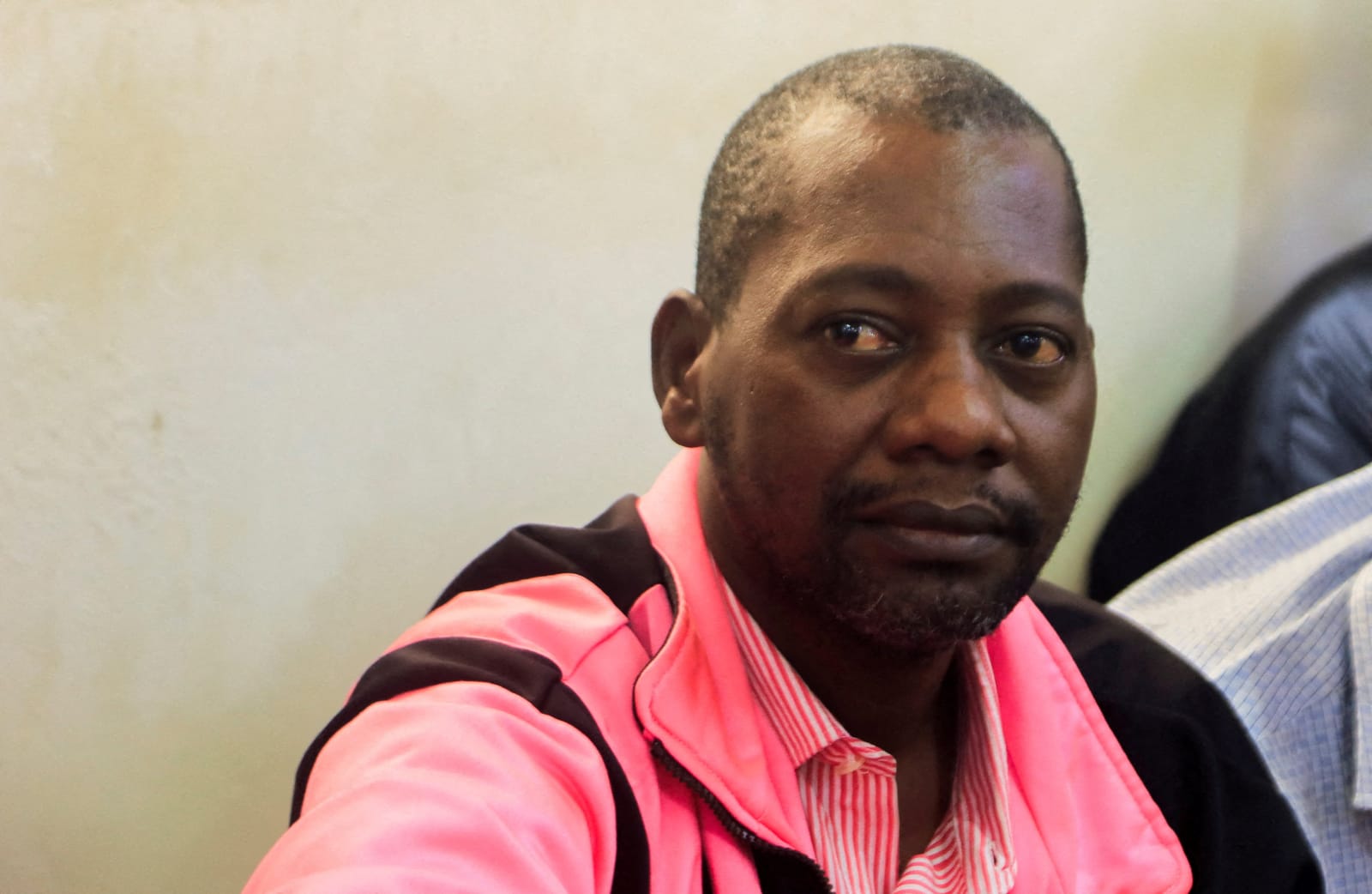
The leader of the Kenya starvation cult will spend the next 200 years in prison. Paul Mackenzie, a self-proclaimed pastor and former taxi driver, received his sentence on Friday for the murder of 190 children and one adult.
The Kenya starvation cult left hundreds of bodies at the sect's base near the coastal resort of Malindi. Investigators have found them since 2023, in what became known as the "Shakahola Forest Massacre".
What Is the Sentence in the Kenya Starvation Cult Case?
The court handed Mackenzie 100 years for the homicide charges and 100 years for the starvation charges. He was convicted last month of murdering 191 people between January 2021 and September 2023. Twenty-eight co-accused stood trial alongside him.
His accomplices received a variety of lengthy prison terms. Many of them starved their own children to death. Mackenzie stayed impassive as the court read out the sentence, as he had throughout the trial.
| Detail | Outcome |
|---|---|
| Sentence for homicide charges | 100 years |
| Sentence for starvation charges | 100 years |
| Total sentence | 200 years |
| Victims in the conviction | 191 people (190 children and one adult) |
| Offence period | January 2021 to September 2023 |
| Co-accused | 28 |
| Prosecution witnesses | Around 120 |
| Prosecutors' request | Death penalty |
| Court's decision on death penalty | Rejected |
The verdict ends the main trial in the Kenya starvation cult case. It does not end the legal fight, as later sections explain.
How the Shakahola Forest Massacre Unfolded
Prosecutors accused Mackenzie of inciting his followers to starve themselves to death to "meet Jesus". The sect operated from a 325-hectare (800-acre) ranch in the Shakahola forest on Kenya's coast.
A rights group alerted the authorities, and officers arrested Mackenzie in April 2023. Rescuers pulled some followers from the ranch. The Kenya National Commission on Human Rights put the death toll at 429 in 2024, and some victims remain unidentified.
Inside the Kenya Starvation Cult: What Witnesses Described
Around 120 prosecution witnesses testified during the trial. They said the movement denounced formal education as "satanic". They said it viewed modern medicine and hospitals as instruments of the devil. It also required followers to cut themselves off from the outside world.
The judge described the suffering of the youngest victims in stark terms. "Children observed siblings drop dead... as their parents ate and drank," the judge said. "Some died as a result of strangulation, severely beaten... Children were subjected to extreme suffering... terrifying living conditions, psychological trauma."
The sect sealed its members off from doctors and schools. Also check out our report on the UAE's first cryoneurolysis treatment for a patient with multiple sclerosis for a very different picture of modern medicine.
Why the Judge Rejected the Death Penalty for the Kenya Starvation Cult Leader
Prosecutors had called for the death penalty. The judge refused. He said it would "fail to achieve deterrence, particularly where the convicts regard death as a pathway to heaven and a union with Jesus and their deceased children."
Kenya has the death penalty on its books. It has not carried out an execution since 1987. The Kenya death penalty debate therefore shaped the sentencing, and the court chose two consecutive-length terms of 100 years instead.
A Grandfather's Anger at the Authorities
Francis Wanje, a 62-year-old teacher, lost two grandchildren to the cult. He had hoped the court would sentence Mackenzie to death to prevent further tragedies.
Another of his grandchildren, now 11, went without food for eight days before rescuers reached the child in March 2023. The child testified that two brothers, aged two and five, died after their parents, acting on the guru's orders, forbade them from eating or drinking.
"Nothing can ease the pain," said Wanje. He blamed the authorities for failing to act swiftly. "I really have great (anger) towards the authorities. If they had taken action, we would not be here today," he added.
Will Paul Mackenzie Appeal? More Trials Lie Ahead
Mackenzie's lawyer said he would appeal the verdict. The cult leader also faces manslaughter and terrorism charges in other trials. He denies those charges.
So the Kenya starvation cult story continues in court. Families still wait for the remaining proceedings and for the identification of the unnamed victims.
Calls for Tighter Regulation of Religious Organisations
The case has fuelled calls for tighter regulation of religious organisations. Critics point to Mackenzie's history. Police arrested him twice before the Shakahola deaths, and he walked free both times.
| Year | Event |
|---|---|
| 2003 | Mackenzie established the Good News International Church |
| 2017 | Arrested over charges of "radicalisation"; acquitted |
| 2019 | Arrested over two child deaths at Shakahola; released on bail |
| 2019 | Date by which he claimed the church had closed |
| April 2023 | Arrested after a rights group alerted authorities |
| 2024 | Rights commission puts death toll at 429 |
The Good News International Church set up branches in Nairobi and along Kenya's coast. It attracted thousands of devotees, though Mackenzie claimed it closed in 2019.
Regulators elsewhere also act against unlicensed operators. For more, see our report on illegal nurseries in Dubai, where police arrested 34 people over 33 unlicensed sites. You can also read our coverage of the Shamash Museum in Baghdad, Iraq's first Jewish heritage museum.
UAE readers can find official public-safety information through the UAE Government portal and the Ministry of Interior. For a look at how faith-linked celebrations face community rules, see our report on the Diwali fireworks ban set by Emaar communities.
What the Kenya Starvation Cult Verdict Means
The 200-year sentence sends a stark message about accountability. Yet the judge made clear that punishment alone may not deter people who see death as a route to heaven.
For families, the verdict brings no relief from grief. The Kenya starvation cult case now tests whether Kenya will tighten oversight of religious groups and act faster on early warnings. For more on security stories, see our report on European flight bomb threats that targeted 14 flights in three days.
Frequently Asked Questions
Who led the Kenya starvation cult?
Paul Mackenzie, a self-proclaimed pastor and former taxi driver, led the sect. He established the Good News International Church in 2003.
How long is the sentence in the Kenya starvation cult case?
The court sentenced Mackenzie to 200 years: 100 years for the homicide charges and 100 years for the starvation charges.
Why did the judge refuse the death penalty?
The judge said it would "fail to achieve deterrence" where convicts regard death as a pathway to heaven. Kenya has not carried out an execution since 1987.
How many people died in the Shakahola Forest Massacre?
Mackenzie was convicted of murdering 191 people. The Kenya National Commission on Human Rights put the death toll at 429 in 2024, and some victims remain unidentified.
Will Mackenzie appeal?
His lawyer said he would appeal the verdict. Mackenzie also faces manslaughter and terrorism charges in other trials, which he denies.
Filed under
- Kenya cult leader jailed
- Kenya death penalty
- Kenya starvation cult
- Malindi cult deaths
- Paul Mackenzie
- religious organisations regulation
- Shakahola Forest Massacre
Comments
No comments yet. If you know something about this story that we do not, the newsroom would rather hear it directly — get in touch.