Feature
Rubbernecking Fine in UAE: Drivers Who Slow Down to Watch Accidents Face Dh1,000 Penalty
The rubbernecking fine in the UAE carries a Dh1,000 penalty and black points, and police warn the habit disrupts traffic and delays emergency crews reaching victims.
By Amani Khan
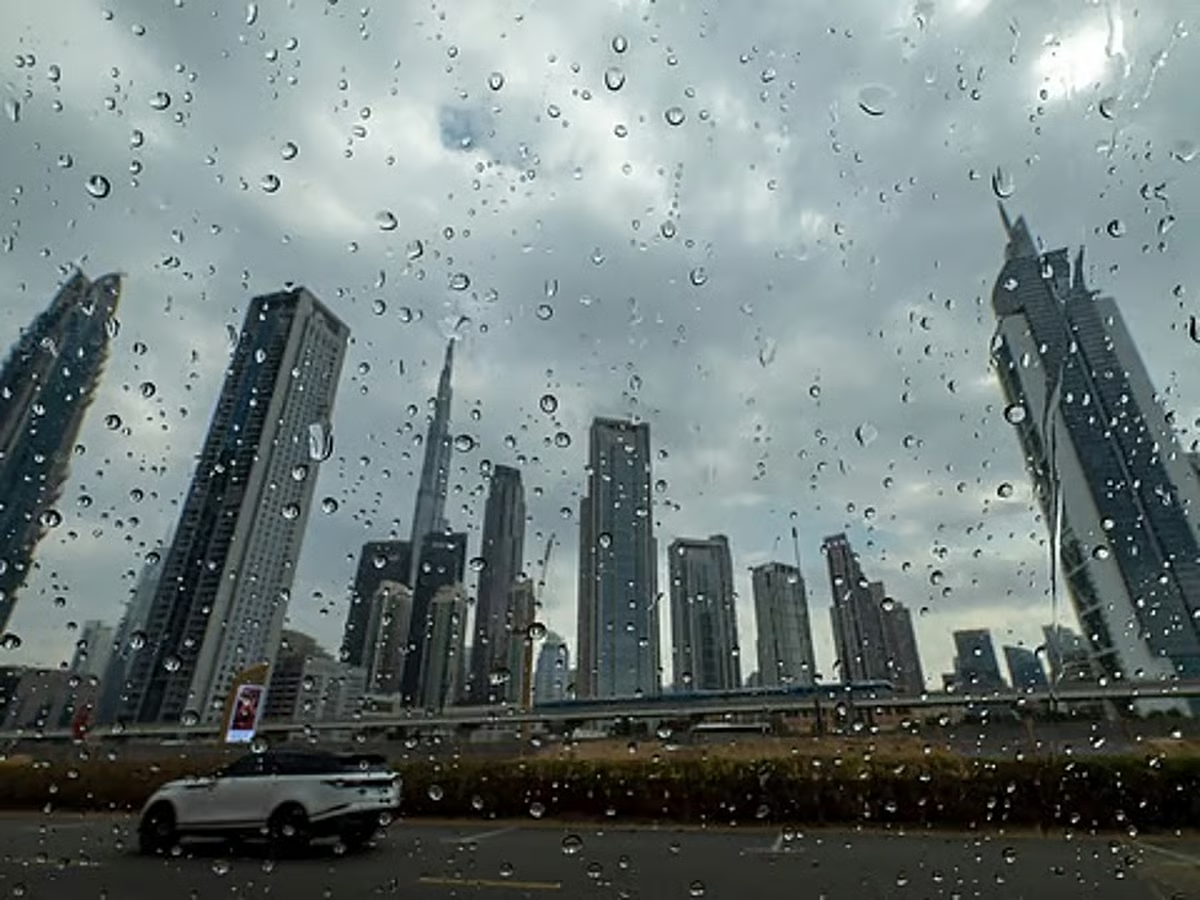
Motorists who slow down or stop to look at an accident in the UAE can be fined Dh1,000 and given black points under federal traffic regulations, police have warned.
The practice, known as rubbernecking, has prompted warnings from police authorities across the UAE. The rubbernecking fine in the UAE targets drivers whose curiosity creates a fresh hazard for everyone else on the road.
What rubbernecking means on UAE roads
Rubbernecking happens when motorists slow down, stop or become distracted while trying to look at an accident or another incident on the road. Traffic often begins to slow, not because the road is blocked, but because drivers are trying to get a better look at what happened.
Even when a crash occurs on the opposite side of a highway, curious drivers may reduce their speed to observe the scene. This causes traffic to build up unnecessarily.
Penalty under federal traffic regulations
Motorists who stop or slow down to observe accident scenes can face a Dh1,000 fine and black points under federal traffic regulations. Police have repeatedly urged drivers to avoid gathering around accident sites. They stress that such behaviour can worsen an already dangerous situation.
| Behaviour | Penalty | Legal basis |
|---|---|---|
| Stopping or slowing down to observe an accident scene | Dh1,000 fine and black points | Federal traffic regulations |
Drivers seeking details on penalties can consult the Ministry of Interior.
Warnings from Dubai and Abu Dhabi authorities
Dubai Police have warned that rubbernecking not only disrupts traffic but can also trigger secondary collisions. The risk is greatest when drivers brake suddenly or fail to maintain a safe distance from the vehicle ahead.
Abu Dhabi Police and Abu Dhabi Civil Defence have issued a separate warning about crowds. They said people gathering around accidents and fire scenes can obstruct ambulances, rescue teams and emergency vehicles from reaching victims.
| Authority | Warning issued |
|---|---|
| Dubai Police | Rubbernecking disrupts traffic and can trigger secondary collisions |
| Abu Dhabi Police and Abu Dhabi Civil Defence | Crowds at accident and fire scenes can obstruct ambulances, rescue teams and emergency vehicles |
Risks beyond traffic congestion
Authorities say the consequences extend well beyond slower traffic. In some cases, bystanders stop their vehicles near crash sites. Others attempt to cross busy roads to film incidents, exposing themselves to moving traffic and the risk of serious injury or death.
Authorities have stressed that delays in emergency response can have life-threatening consequences for those requiring urgent medical assistance. For background on emergency healthcare capacity, see our coverage of American Hospital Dubai to Build Three Specialised Facilities at Dubai Science Park.
Guidance for drivers passing an accident
Police have urged motorists to follow basic road safety precautions when approaching or passing an accident scene. Drivers are advised to do the following:
- Keep eyes on the road: avoid turning attention towards an accident or attempting to film the scene.
- Maintain a safe distance: leave sufficient space between the vehicle and the one ahead to react to sudden changes in traffic.
- Avoid unnecessary braking: do not slow down merely to observe an accident, but adjust speed when required for safety.
- Follow traffic rules: observe speed limits, signal before changing lanes and comply with police instructions.
- Clear the way for emergency vehicles: give ambulances, police and Civil Defence vehicles sufficient space to reach the scene.
- Do not gather around accident sites: avoid stopping, parking or crossing busy roads to watch what happened.
Secondary collisions, the police warn, are most likely when one driver brakes sharply to look and the driver behind has not left enough room.
Why the warnings matter for road users
The warnings draw together two distinct risks. The first is the chain reaction on the carriageway: a driver who slows to look can cause the vehicle behind to brake hard, and so on down the line of traffic. The second is the obstruction of the emergency response, which can affect those who need urgent medical assistance.
Both risks arise from behaviour that many drivers may regard as harmless.
Related coverage
Road safety and public safety enforcement are recurring themes in the Emirates. Read more: our report on Abu Dhabi Launches Year-Long Campaign to Check Building CCTV Compliance.
Conditions on the road also change with the weather. For background, see our coverage of UAE Weather Forecast: Light Rain and Winds of Up to 40km/h Expected From Monday to Thursday.
On the use of technology in public safety, see our report on Dubai Municipality Launches intelSPECT AI Tool to Read Restaurant Reviews and Flag Food Safety Risks.
For wider transport coverage, see Etihad Flight EY441 From Manila to Abu Dhabi Delayed by Technical Issue.
For household finances, read our report on UAE Expat Remittances Stretch Further as Asian Currencies Stay Near Multi-Year Lows. Official information on UAE services is available on the UAE Government portal.
Frequently Asked Questions
What is rubbernecking?
Rubbernecking is when motorists slow down, stop or become distracted while trying to look at an accident or another incident on the road. It can cause traffic to build up even when the crash is on the opposite side of the highway.
What is the penalty for slowing down to watch an accident in the UAE?
Motorists who stop or slow down to observe accident scenes can face a Dh1,000 fine and black points under federal traffic regulations.
Why do police warn against watching accidents?
Dubai Police say the behaviour disrupts traffic and can trigger secondary collisions. Abu Dhabi Police and Abu Dhabi Civil Defence say crowds can obstruct ambulances, rescue teams and emergency vehicles from reaching victims.
Filed under
- Abu Dhabi Civil Defence
- Black points
- Dubai Police
- Road safety
- Rubbernecking
- Traffic fines
- UAE traffic rules
Comments
No comments yet. If you know something about this story that we do not, the newsroom would rather hear it directly — get in touch.