Dubai
UAE Cybersecurity Chief Says More Than 40 Terrorist Organisations Traced Behind Cyberattacks
Dr Mohammed Al Kuwaiti said UAE cyberattacks have been traced to more than 40 terrorist organisations across more than 20 countries, as attackers shift from infrastructure to individuals.
By Waheed Imran
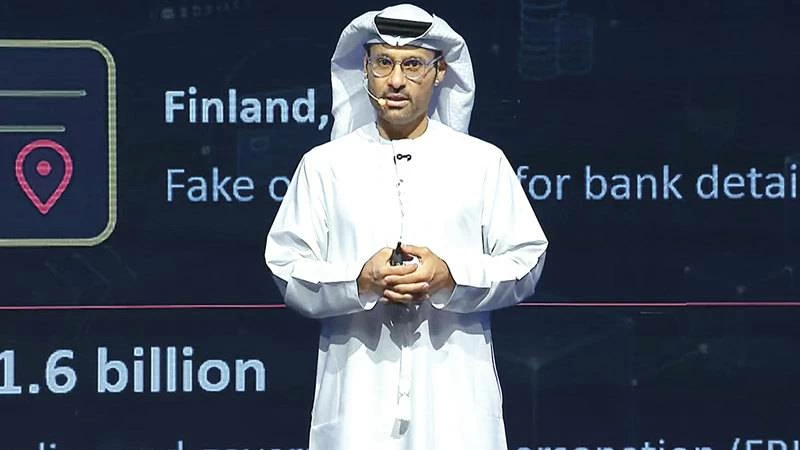
Dr Mohammed Al Kuwaiti, Head of the UAE Government's Cybersecurity Council, said the UAE has traced more than 40 terrorist organisations behind UAE cyberattacks, operating across a network spanning more than 20 countries. He said hackers have attempted to break into home surveillance cameras, farm security systems and vehicle cameras before circulating recordings online to cause public alarm.
Al Kuwaiti made the disclosure during a session titled “Defending information in the Future”. He said the national cyber defence system had allowed specialists to trace where the attacks came from and to identify who was behind them.
For other national news, see our report: Dubai Declares 3-Day Eid Al Etihad Holiday for Private Schools and Universities.
UAE cyberattacks shift from infrastructure to individuals
Al Kuwaiti said threats have moved beyond government bodies and critical infrastructure to target people's personal lives. He said authorities detected attempts to hack cameras in homes, farms and vehicles, as well as smart imaging systems.
According to Al Kuwaiti, some of the footage was then posted on social media, apparently to scare the public and to suggest that large-scale security breaches had taken place. He said travellers have also been sent fake messages about their flights and bookings, with social media used to spread the alarm.
He described the attempts on home surveillance cameras and the fake messages to travellers as part of a shift towards individuals.
Wiper malware attempts on essential services
Al Kuwaiti said attackers had attempted to deploy destructive malware known as “wipers”, which is designed to erase and destroy data. Ransomware encrypts files and demands payment to restore them, whereas wipers aim for potentially irreversible damage.
He said the attempts targeted electricity and water networks, desalination plants, and the education and healthcare sectors. After these attacks were thwarted, he said, the perpetrators shifted their attention towards individuals, launching campaigns through social media platforms.
Summary of the disclosures
| Area | What the Cybersecurity Council head described |
|---|---|
| Organisations traced | More than 40 terrorist organisations |
| Network | Spanning more than 20 countries |
| Infrastructure targeted | Electricity and water networks, desalination plants, education and healthcare sectors |
| Malware deployed | “Wipers”, designed to erase and destroy data |
| Personal targets | Cameras in homes, farms and vehicles; smart imaging systems |
| Social media tactics | Footage posted online; fake messages to travellers about flights and bookings |
| Outcome | Attempts on power, water, education and healthcare systems were stopped |
For travel updates, see our coverage: Etihad Extends Abu Dhabi–Riyadh and Dammam Cancellations Through 19 November as Saudi Disruption Continues.
AI-driven cyber threats
Al Kuwaiti warned that artificial intelligence is giving attackers far more than fake images and videos. He said authorities have seen AI used to write malicious software, create viruses and find previously unknown security weaknesses.
He said there have also been attempts to use AI agents to infiltrate institutions, some using fabricated digital identities that make attacks harder to trace, especially against government entities and large organisations.
Al Kuwaiti said AI has effectively become “the attacker, the adviser, the operator and the designer,” and that this is blurring the line between attackers and defenders.
Read more on artificial intelligence in the region: OpenAI Expands ChatGPT Ads to 44 Markets Including UAE Through Exclusive Reseller Aleph and Yango to Launch UAE-Built Arabic AI Speaker Yasmina in Egypt.
Iran-linked networks behind UAE cyberattacks
Al Kuwaiti said the entities behind the threats, particularly Iran and networks linked to the Islamic Revolutionary Guard Corps (IRGC), continued their cyber operations despite disruptions and the suspension of internet communication services in Iran.
He said they were able to maintain their activities by relying on autonomous systems developed over several years, allowing operations to continue even when internet connectivity was disrupted.
According to the Cybersecurity Council head, attempts on power, water, education and healthcare systems were stopped, but the focus of the cyberattacks on the UAE has since shifted to individuals.
For other news from Dubai, see our report: Dubai Municipality Wins Federal Approval for Youth Space to Support Young Employees.
Frequently Asked Questions
What did the UAE's cybersecurity chief disclose about UAE cyberattacks?
Dr Mohammed Al Kuwaiti said the UAE has traced more than 40 terrorist organisations operating across a network spanning more than 20 countries. He said the national cyber defence system allowed specialists to trace the attacks and identify those behind them.
Which sectors did the attackers target?
Al Kuwaiti said the attempts targeted electricity and water networks, desalination plants, and the education and healthcare sectors. He said these attempts were stopped.
How are individuals being targeted?
Al Kuwaiti said hackers attempted to break into cameras in homes, farms and vehicles, and that travellers have been sent fake messages about their flights and bookings. He said some footage was posted on social media, apparently to scare the public.
Filed under
- Artificial Intelligence
- Critical infrastructure
- cyberattacks
- Cybersecurity Council
- online security
- UAE cybersecurity
- wiper malware
Comments
No comments yet. If you know something about this story that we do not, the newsroom would rather hear it directly — get in touch.