Abu Dhabi
Dubai Enters Top 20 of Kearney Global Cities Index as Abu Dhabi Rises to 45th
Dubai ranks 20th in the 2026 Global Cities Index, its first appearance in the top 20, and Abu Dhabi has risen four places to 45th as Gulf cities improved on economic performance.
By Salma Hayak
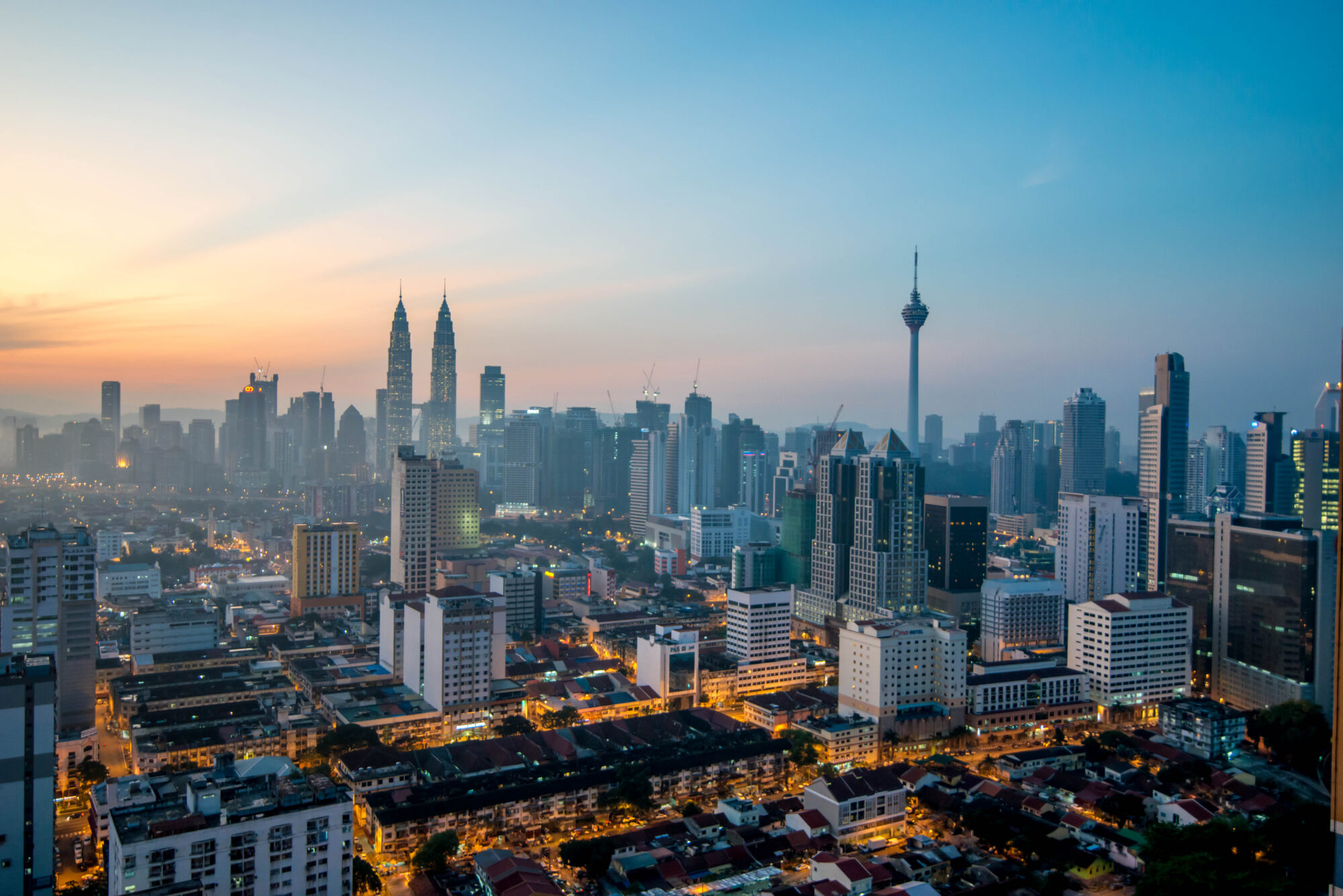
Dubai has entered the top 20 of the 2026 Global Cities Index for the first time, ranking 20th, while Abu Dhabi has moved up four places to 45th, according to Kearney's latest Global Cities Report.
Dubai improved on its 23rd position in 2025, and Abu Dhabi advanced from 49th. The report evaluates 158 cities worldwide and found that Gulf cities continued to strengthen their global positions in 2025 despite increasing geopolitical and economic uncertainty.
Global Cities Index results for the UAE
The Dubai ranking places the emirate in the top quintile of the index. The global top five remained unchanged from the previous year, with New York, London, Paris, Tokyo, and Singapore retaining their respective positions.
| City | 2025 rank | 2026 rank | Change |
|---|---|---|---|
| Dubai | 23rd | 20th | Up three places |
| Abu Dhabi | 49th | 45th | Up four places |
While improvements were more incremental than in previous years, the region maintained its momentum, particularly in economic performance and innovation, the report found.
“Nearly all of the Gulf’s cities benefited from improved economics, and the region distinguished itself on innovation. Amid a more challenging operating environment, leaders proved the value of committing to a well-defined, multiyear investment strategy,” said Valentin Lavaill, executive director of Kearney Foresight MEA.
Read more: our report on UAE Seeks Stronger Tourism Ties With Egypt, Brazil, Argentina and Nigeria at UN Tourism Executive Council.
How the index is measured
The Global Cities Index measures how effectively cities attract, retain, and generate global flows of people, capital, and ideas. It uses 31 indicators across five dimensions, including business activity, human capital, information exchange, cultural experience, and political engagement.
Abu Dhabi economic diversification
Kearney attributed Abu Dhabi's improvement to its sustained economic diversification programme and the expansion of its non-oil sectors, which have supported 18 consecutive quarters of GDP growth.
The Kearney Global Cities Report pointed to the continued development of Abu Dhabi Global Market, the emirate's international financial centre, and Khalifa Economic Zones Abu Dhabi, which supports industrial development and investment.
Abu Dhabi has also invested in strengthening its position as a regional cultural destination, while continuing to develop its tourism and renewable energy sectors.
For background, see our coverage of UAE Cabinet Approves AI Assistants Strategy, Reviews Mira Rollout From March 2027.
Gulf cities and foreign direct investment
Beyond the UAE, the report pointed to improving economic conditions across the Middle East. The region recorded the strongest increase in total foreign direct investment in 2025 compared with other regions.
Economic performance improved in 13 of the 16 cities assessed, while innovation proved relatively resilient, recording the smallest regional decline.
Kearney cited Dammam, Abu Dhabi, and Muscat as examples of cities translating national investment strategies into increased foreign direct investment.
Read more: our report on Saudi Arabia Draft 15% Top-Up Tax Could Trim Tax Breaks for UAE Multinationals From 2027.
| Report measure | Figure |
|---|---|
| Cities evaluated worldwide | 158 |
| Indicators in the index | 31 |
| Dimensions in the index | Five |
| Middle East cities with improved economic performance | 13 of 16 |
| Consecutive quarters of GDP growth in Abu Dhabi | 18 |
Global Cities Outlook 2026 rankings
While the Global Cities Index measures current performance, Kearney's Global Cities Outlook assesses the potential of cities across four dimensions, including personal well-being, economics, innovation, and governance.
The 2026 Outlook rankings placed Singapore, London, San Francisco, Seoul, and New York in the top five.
For background, see our coverage of Dubai International Airport Upgrades Mobile Network to 5G+ in Partnership With du.
Collaboration between cities
Another theme in the report is “citycraft,” a term Kearney uses to describe how cities increasingly collaborate directly with international counterparts to advance shared interests and address common challenges.
Kearney identified opportunities for Gulf cities to work together on shared infrastructure, artificial intelligence development and governance, talent attraction, and business corridors.
“Many of the factors that contribute to the business landscape are set at the national level,” said Rudolph Lohmeyer, partner and chairman of Kearney Foresight Middle East and Africa.
“Cities are taking matters into their own hands by engaging with their peers to advance shared interests in what we call ‘citycraft.’ Through these innovative forms of collaboration, they are building coalitions around shared infrastructure, common standards, investment partnerships, and technical expertise,” he said.
Further information on the UAE economy is available on the UAE Government portal and from the Emirates News Agency.
Read more: our report on RTA Wins Dubai-it Award in Institutions – Government Field Category.
Frequently Asked Questions
Where does Dubai rank in the 2026 Global Cities Index?
Dubai ranks 20th, up from 23rd in 2025. It is the first time the emirate has entered the top 20.
Where does Abu Dhabi rank?
Abu Dhabi ranks 45th, having moved up four places from 49th.
Which cities lead the 2026 Global Cities Index?
New York, London, Paris, Tokyo, and Singapore retained their respective positions in the global top five.
Filed under
- Abu Dhabi economy
- Dubai ranking
- Economic diversification
- Foreign direct investment
- Global Cities Index
- Gulf cities
- Kearney report
Comments
No comments yet. If you know something about this story that we do not, the newsroom would rather hear it directly — get in touch.