UAE Guides
Ozempic Eye Warning: What UAE Patients on Wegovy and Mounjaro Need to Know
A new US Ozempic eye warning flags a rare risk of sudden vision loss with GLP-1 medicines, and UAE research shows pharmacies and patients still have gaps to close.
By Amani Khan
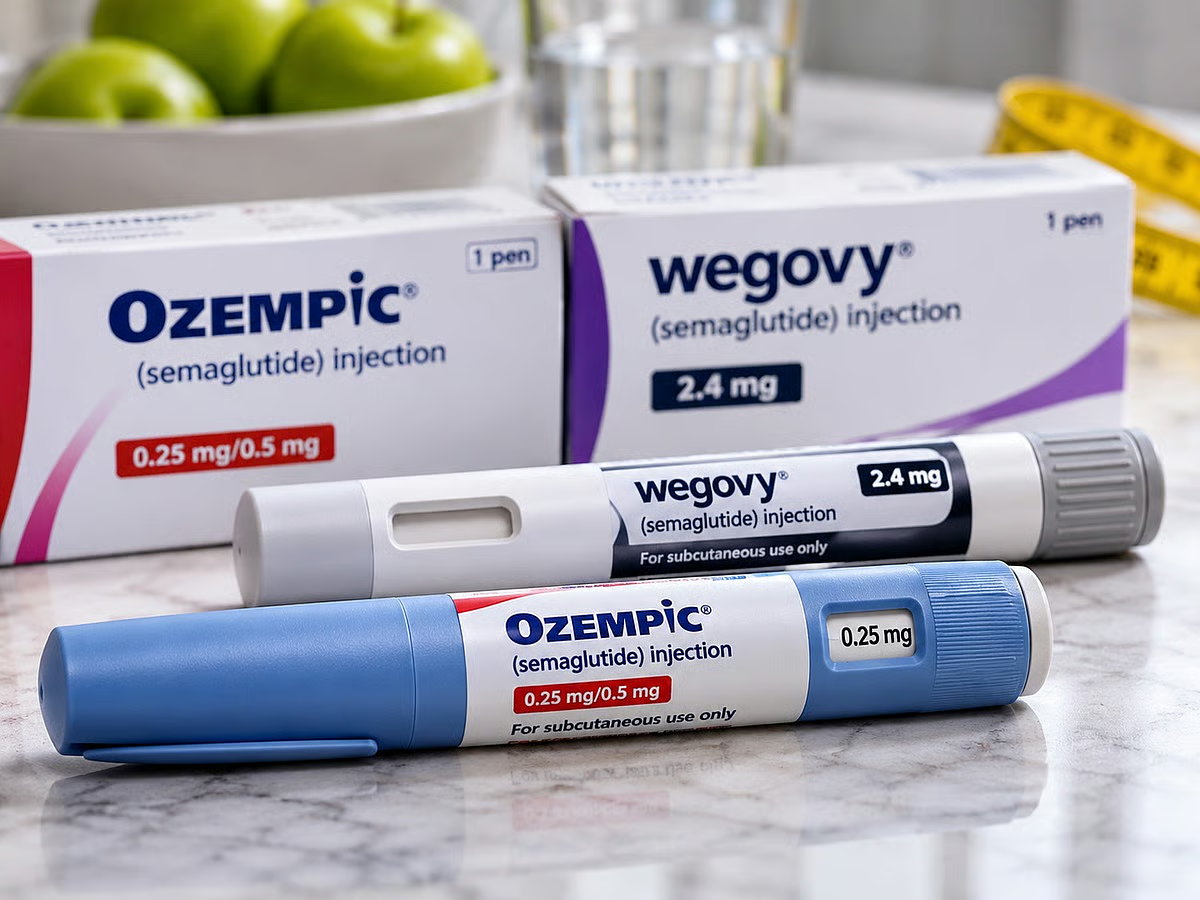
Sudden, painless vision loss in one eye is rare, but it is permanent in some cases. A new US regulatory order now links that risk to some of the world's most popular weight-loss and diabetes injections, and UAE residents on them have fresh questions.
The US Food and Drug Administration (FDA) has ordered updated safety warnings for GLP-1 medicines. The list includes Novo Nordisk's Ozempic and Wegovy and Eli Lilly's Mounjaro and Zepbound. Here is what the evidence shows, what UAE studies add, and which symptoms demand urgent attention.
What is the new Ozempic eye warning?
The warning concerns non-arteritic anterior ischaemic optic neuropathy (NAION). The condition stems from reduced blood flow to the optic nerve. It can cause sudden, painless and sometimes permanent vision loss, usually in one eye.
The FDA reached its decision after reviewing clinical trials and other safety data. It has not told patients to stop taking these medicines as a precaution. Its findings point to a rare potential risk, but they do not establish that the treatments directly cause the condition.
How serious is the risk? The numbers explained
The FDA reviewed 126 clinical trials involving 134,253 patients. It identified 15 probable NAION cases, 10 among GLP-1 users and five in the comparison groups.
| Measure | GLP-1 users | Comparison groups |
|---|---|---|
| Probable NAION cases | 10 | 5 |
| Incidence per 100,000 person-years | 6.4 | 3.8 |
In plain terms, that is roughly six cases for every 100,000 people treated for a year, against fewer than four among those on a placebo or other treatments. The absolute difference is small. The potential consequences are not.
The FDA also examined real-world medical records. Those findings were mixed on whether GLP-1 treatment raises NAION risk.
What did the Abu Dhabi research find?
Dr Jamal Muhsen of Al Dhafra Hospitals studied the eye-health records of 121 patients. Thirty of them took semaglutide or tirzepatide. He published the work in the medical journal Cureus in October.
Diabetic retinal disease developed or progressed in 40% of treated patients. Among those with no documented exposure to either medicine, the figure was 50.5%. The difference was not statistically significant. The study concluded: "No statistically significant association was detected for the combined retinal endpoint, but estimates were imprecise."
A separate review found seven regional NAION cases recorded between 2022 and 2025. None involved documented exposure to semaglutide or tirzepatide. The researchers cautioned that the findings "could not quantify or exclude an association."
Why these findings have limits
The study was small, particularly the treated group. Diabetic retinal disease also differs from NAION, which affects the optic nerve rather than the retina. The Abu Dhabi data therefore cannot confirm or rule out the risk the FDA identified.
For more on health safety in the emirate, see our guide to DHA's five first-aid steps after a stray animal bite in Dubai.
Are UAE pharmacies giving enough guidance on weight-loss injections?
Ajman University researchers raised that question in a January study in Pharmacy Practice. Noor Kamal Raisan, Moawia M. Al-Tabakha and Akram Ashames used simulated patient visits at 153 community pharmacies across Dubai and the Northern Emirates.
| Finding | Result |
|---|---|
| Pharmacies that asked for a prescription for Ozempic for weight loss | 26.8% |
| Visits with no counselling | 27% |
| Pharmacies asking basic screening questions | 3% to 30%, depending on the question |
The researchers concluded: "The study revealed significant gaps in prescription compliance and patient counseling among UAE community pharmacists when dispensing Ozempic."
Pharmacist knowledge of tirzepatide
A separate July study in Pharmacy Practice looked at tirzepatide, the active ingredient in Mounjaro. It surveyed 386 UAE pharmacists, whose average knowledge score was 27.78 out of 54. The researchers found gaps in dosage, adverse effects, contraindications and patient counselling.
Those gaps matter more now. Patients who receive little screening and counselling may never hear about a rare eye risk. Health professionals are working in a fast-moving field, and our report on the Global Nursing Award 2027 and its $250,000 prize shows how much weight the sector places on frontline care.
Who may face a higher risk of NAION?
The FDA lists several potential risk factors for NAION:
- Diabetes
- High blood pressure
- Sleep apnoea
- Kidney disease
- Anaemia
- Smoking
Some of these conditions already exist in patients who receive GLP-1 treatment. That overlap makes it hard to tell whether an eye complication comes from the medicine or from an underlying health problem.
The regulator also examined observational studies and adverse-event reports. The evidence points to a potential safety concern. It does not show that the medicines directly cause every reported case. The updated warnings aim to make sure patients and healthcare professionals know about the possible complication.
Which symptoms need urgent attention?
The FDA advises patients to seek immediate medical attention if they notice any of these:
- Sudden vision loss
- Blurred vision
- Blind spots
- Tunnel vision
- Changes in colour perception
NAION can develop without pain. Some patients first notice symptoms when they wake up.
Doctors should arrange a prompt assessment by an ophthalmologist when they suspect the condition. If a patient develops NAION, the FDA advises healthcare professionals to consider discontinuing GLP-1 treatment unless the benefits clearly outweigh the risks.
What should UAE patients do now?
The FDA has not told anyone to stop treatment as a precaution. Patients should still ask their prescriber about their own risk factors before they start or continue. Those with diabetes, high blood pressure, sleep apnoea, kidney disease, anaemia or a smoking habit have particular reason to raise the subject.
The UAE health authorities publish guidance for residents. You can find it through the Ministry of Health and Prevention and the Dubai Health Authority.
Also check out our coverage of the UAE weather forecast as heavy rain and strong winds hit midweek if you plan to travel for appointments. For another recent regulatory shift, read how the UAE postponed its vehicle registration limit after public feedback.
The bottom line
The evidence shows a small absolute difference in a rare but serious condition. UAE research cannot yet settle the question, and it also exposes real weaknesses in how patients obtain and understand these medicines. Clear counselling, proper prescriptions and fast action on any sudden vision change give patients the best protection.
Frequently Asked Questions
Has the FDA told patients to stop taking Ozempic or Wegovy?
No. The FDA has not advised patients to stop these medicines as a precaution. Its findings point to a rare potential risk without establishing that the treatments directly cause NAION.
Which medicines does the new warning cover?
The FDA ordered updated safety warnings for GLP-1 medicines. These include Ozempic, Wegovy, Mounjaro and Zepbound.
What is NAION?
Non-arteritic anterior ischaemic optic neuropathy is a condition caused by reduced blood flow to the optic nerve. It can cause sudden, painless and sometimes permanent vision loss, usually in one eye.
What symptoms should I act on immediately?
Seek immediate medical attention for sudden vision loss, blurred vision, blind spots, tunnel vision or changes in colour perception. NAION can develop without pain, and some patients first notice it on waking.
Did UAE research find a link between these medicines and eye damage?
An Abu Dhabi study found no statistically significant association with diabetic retinal disease, but its estimates were imprecise. A review of seven regional NAION cases from 2022 to 2025 found none with documented exposure to semaglutide or tirzepatide, though the researchers could not exclude an association.
Filed under
- FDA safety warning
- GLP-1 medicines
- Mounjaro safety
- NAION vision loss
- Ozempic eye warning
- UAE pharmacy counselling
- Wegovy UAE
- weight-loss injections UAE
Comments
No comments yet. If you know something about this story that we do not, the newsroom would rather hear it directly — get in touch.