Dubai
Dubai Retains Middle East Maritime Leadership, Ranks 12th Globally in 2026 LMC Report
Dubai Retains Middle East Maritime Leadership, Ranks 12th Globally in 2026 LMC Report.
By Amani Khan
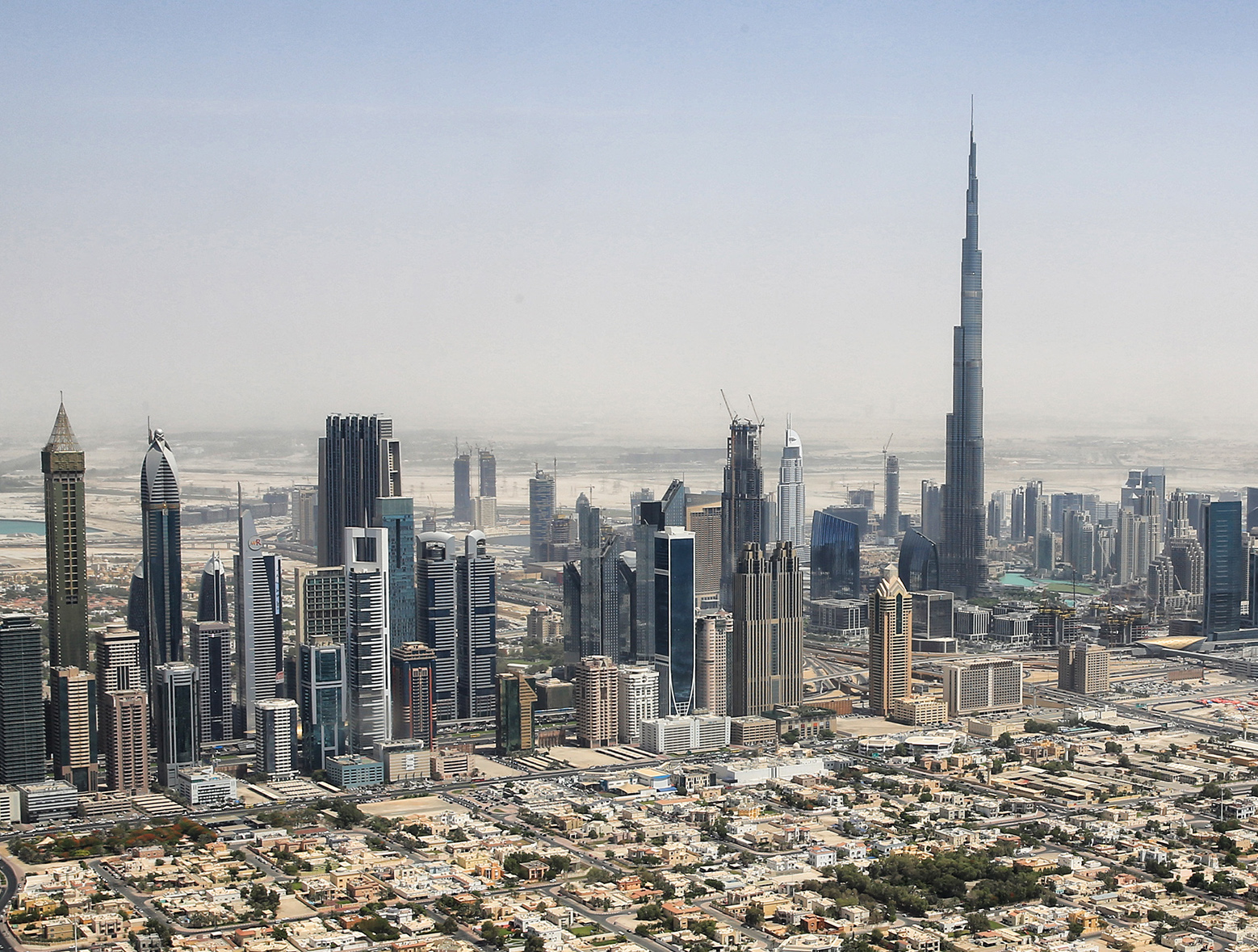
Dubai, UAE — Dubai has demonstrated that a port city's standing is tested most severely in times of disruption rather than calm. The emirate has retained its position as the Middle East's leading maritime hub and ranks 12th globally in the 2026 Leading Maritime Cities (LMC) report, published by DNV and Menon Economics.
The result follows one of the most challenging years for regional shipping, during which disruption on major trade routes placed sustained pressure on supply chains across the Middle East. Despite these conditions, Dubai's maritime sector and Jebel Ali Port continued to operate without interruption.
How Dubai Sustained Trade Flows
The report attributes Dubai's operational continuity to close coordination between government authorities and industry, which enabled Jebel Ali to remain functional while pressure mounted elsewhere in the region.
The emirate's broader logistics network reinforced these efforts. Bonded corridors, road and rail links, and free zones collectively supported the continued movement of cargo and maintained Dubai's connectivity to international markets. The finding underscores a principle familiar to shippers: a port's strength depends on the routes that feed it and the partners that operate them.
Key Results at a Glance
Dubai's performance across the principal measures in the 2026 edition:
· Overall global ranking: 12th
· Middle East ranking: First
· Maritime resilience (new in 2026): Fifth globally
· Attractiveness and Competitiveness: Sixth, up from 15th in 2024
· Entrepreneurship: Joint first with Abu Dhabi
· Human capital: Second globally
· Global competitiveness: Joint fourth
· Attractiveness for relocating maritime headquarters: Second in the world
Significance of the Fifth-Place Resilience Ranking
The 2026 edition introduced a new assessment of maritime resilience, with industry experts placing Dubai fifth globally alongside centres such as Singapore, Rotterdam, Shanghai and London.
The report cited Dubai's advanced infrastructure, strategic location and expanding maritime business base. It also emphasised a shift in how modern competition is measured: the capacity to respond to disruption, recover rapidly and redirect operations has become a critical indicator of a city's strength. This evolution favours hubs capable of adapting in real time, a test on which Dubai performed strongly.
Nine-Place Gain in Competitiveness
Dubai recorded one of its most substantial improvements in the Attractiveness and Competitiveness category, rising nine places from 15th in 2024 to sixth in 2026. No other city ranked in the top 15 in both editions recorded a larger gain.
Dubai also shared first place with Abu Dhabi for entrepreneurship, ranked second globally for human capital and tied for fourth in global competitiveness. Industry experts further named Dubai the world's second-most attractive city for relocating maritime headquarters, citing its international connectivity and position between major markets.
Dubai's momentum extends beyond shipping. See also our report on the Dubai-it Award, where Sheikh Hamdan honoured 13 winners for speed and impact.
Comments from Dubai's Maritime Leadership
Abdulla bin Damithan, Chairman of the Ports, Customs and Free Zone Corporation (PCFC), said the ranking reflects the leadership's long-term commitment to building a world-class maritime sector. He noted that pressures on regional shipping had demonstrated the strength of Dubai's maritime infrastructure and its capacity to support businesses during uncertain periods.
He added that the result reflects the confidence international maritime companies place in Dubai, with many choosing the emirate as their preferred base for regional operations.
Ahmad Yousef Al Hassan, CEO and Managing Director of DP World GCC, said adaptability is essential for a major maritime hub. He noted that DP World moved nearly one million twenty-foot equivalent units (TEUs) across the region during the challenging year, relying on alternative shipping routes and its multimodal transport network.
DP World is also investing in additional terminal capacity in Fujairah and strengthening its regional network, providing customers with expanded shipping options and improved connections to Dubai. For further context on the logistics sector, see our coverage of Aramex's record revenue of Dh1.98 billion and 817% profit surge.
Methodology of the LMC Report
The LMC report is a comprehensive, data-led benchmark combining performance metrics with the perspectives of senior industry figures. It assessed 50 maritime cities selected from more than 15,000 worldwide across categories including shipping, finance and law, technology, ports and logistics, and competitiveness. The analysis drew on input from 208 senior industry experts, with the launch event held at the first Seatrade Maritime UAE Summit in Dubai.
Implications for Businesses and the Region
An elevated profile carries practical benefits. Shipping lines, financiers, legal firms and technology providers consult these rankings when selecting locations for regional teams. Dubai's strong performance in human capital and entrepreneurship indicates depth beyond port operations, while its resilience score signals to operators that the emirate can reroute and recover when routes close.
Regional cooperation is a related theme; see our coverage of the GCC command centre in Kuwait approved to boost joint defence. Property and investment also follow trade flows — for more, see our report on the Arada Capital Alya partnership targeting a Dh6 billion residential pipeline.
The emirate's governance remains relevant as well. Our story on the Dubai Municipality law and the mandate Sheikh Mohammed has defined shows how Dubai continues to update its institutions. For official updates on UAE economic and trade policy, visit the UAE Government portal and the Emirates News Agency.
Frequently Asked Questions
What is Dubai's rank in the 2026 Leading Maritime Cities report?
Dubai ranks 12th globally and first in the Middle East. The report was produced by DNV and Menon Economics.
How did Dubai perform on maritime resilience?
The 2026 report introduced a resilience assessment, and industry experts ranked Dubai fifth globally. Singapore, Rotterdam, Shanghai and London also feature among the leading centres.
How much did Dubai improve in competitiveness?
Dubai rose nine places in Attractiveness and Competitiveness, from 15th in 2024 to sixth in 2026 — the largest gain among cities in the top 15 in both editions.
How many cities did the report assess?
The report assessed 50 maritime cities selected from more than 15,000 worldwide, combining performance data with feedback from 208 senior industry experts.
How much cargo did DP World move during the challenging year?
DP World moved nearly one million TEUs across the region, utilising alternative shipping routes and its multimodal transport network.
Filed under
- DP World
- Dubai maritime city ranking
- Dubai shipping hub
- Jebel Ali Port
- Leading Maritime Cities
- maritime resilience
- Middle East maritime
- Seatrade Maritime UAE Summit
Comments
No comments yet. If you know something about this story that we do not, the newsroom would rather hear it directly — get in touch.