Dubai
Dubai Speed Limits Change on Five Major Roads From November 1
New Dubai speed limits from November 1: Al Asayel, Al Mustaqbal and Latifa bint Hamdan Street go up, Al Rebat and Sheikh Sabah Al Ahmad Street go down.
By Amani Khan
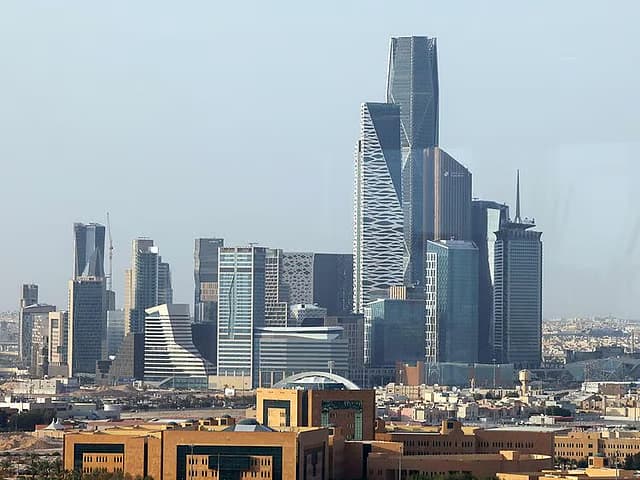
New Dubai speed limits take effect on November 1 on five major roads, with three limits raised and two lowered. The Roads and Transport Authority says the changes apply in both directions.
The Roads and Transport Authority (RTA) announced on Wednesday that Dubai speed limits will change on five major roads from November 1, 2026. Limits will increase on three roads and decrease on two, and the changes apply in both directions.
This guide lists every road, the section affected, the old and new limits, how the changes will be enforced and why the RTA made them. The new Dubai speed limits were set in coordination with Dubai Police.
Dubai Speed Limits at a Glance
- Start date: November 1, 2026
- Roads affected: five
- Limits raised: Al Asayel Street, Al Mustaqbal Street and Latifa bint Hamdan Street
- Limits lowered: Al Rebat Street and Sheikh Sabah Al Ahmad Al Jaber Al Sabah Street
- Direction: both directions
- Announced by: the RTA, in coordination with Dubai Police
1. Al Asayel Street: New Dubai Speed Limits Raise the Cap From 60 to 80 km/h
- Section: between Oud Maitha Street and Al Meydan Street
- Old limit: 60 km/h
- New limit: 80 km/h
- Change: an increase of 20 km/h, in both directions
2. Al Mustaqbal Street: New Dubai Speed Limits Raise the Cap From 60 to 70 km/h
- Section: between Sheikh Rashid Street and Al Meydan Street
- Old limit: 60 km/h
- New limit: 70 km/h
- Change: an increase of 10 km/h, in both directions
3. Latifa bint Hamdan Street: New Dubai Speed Limits Raise the Cap From 60 to 70 km/h
- Section: between Sheikh Zayed Road and Al Khail Road
- Old limit: 60 km/h
- New limit: 70 km/h
- Change: an increase of 10 km/h, in both directions
4. Al Rebat Street: Dubai Speed Limits Fall From 100 to 90 km/h
- Section: between Marrakech Street and Sheikh Mohammed bin Zayed Road
- Old limit: 100 km/h
- New limit: 90 km/h
- Change: a reduction of 10 km/h, in both directions
5. Sheikh Sabah Al Ahmad Al Jaber Al Sabah Street: Dubai Speed Limits Fall From 80 to 70 km/h
- Section: between 2nd December Street and Khalid bin Al Waleed Street
- Old limit: 80 km/h
- New limit: 70 km/h
- Change: a reduction of 10 km/h, in both directions
How the RTA Will Put the New Dubai Speed Limits Into Effect
- Speed limit signs will be replaced along the affected roads
- Speed cameras will be reprogrammed to reflect the new limits ahead of implementation
- The changes were made in coordination with Dubai Police
Until the new signs are in place, follow the limit shown on the road. Once the new Dubai speed limits are in force, the cameras will reflect them.
Why the RTA Is Changing Dubai Speed Limits: The Study Behind the Decision
According to the RTA, the adjustments follow a comprehensive engineering and technical study carried out over recent months with an international consultant. The study aimed to improve traffic flow, enhance road safety and align speed limits with road characteristics and prevailing traffic conditions.
The changes are also based on the 2026 updates to the technical specifications of the Dubai Speed Management Manual, which incorporates international best practices for balancing traffic efficiency and road safety. The RTA says it regularly reviews speed limits and traffic conditions on Dubai's major roads as part of its ongoing road development and traffic improvement projects. Official updates are published by the Roads and Transport Authority.
How Dubai Speed Limits Are Set: The Criteria Explained
The RTA says limits are determined using several engineering and technical criteria:
- Traffic volumes
- Road design speeds
- The extent of urban development along roads
- Actual vehicle speeds, assessed using the 85th percentile speed
- Pedestrian activity
- The presence of other key facilities
The 85th percentile speed is the speed at or below which 85 per cent of vehicles travel. Traffic engineers use it to see how drivers actually behave on a road. These criteria explain why Dubai speed limits rise on some roads and fall on others.
What the New Dubai Speed Limits Mean for Drivers
- If you use Al Asayel Street, Al Mustaqbal Street or Latifa bint Hamdan Street, higher limits apply from November 1. A higher limit is a maximum, so drive to road and traffic conditions
- If you use Al Rebat Street or Sheikh Sabah Al Ahmad Al Jaber Al Sabah Street, lower limits apply from November 1. Adjust your speed in the affected sections, because cameras will be reprogrammed to the new limits
- The limits apply in both directions on every affected road
- Follow the posted signs, which will be replaced along the roads
Dubai speed limits are changing because of engineering findings, not a general policy of raising or lowering limits: three roads go up and two go down.
Dubai Speed Limits FAQs
When do the new Dubai speed limits start?
The new limits take effect on November 1, 2026.
Which roads are affected by the new Dubai speed limits?
Five roads. Limits rise on Al Asayel Street, Al Mustaqbal Street and Latifa bint Hamdan Street, and fall on Al Rebat Street and Sheikh Sabah Al Ahmad Al Jaber Al Sabah Street.
Do the new Dubai speed limits apply in both directions?
Yes. The RTA says the changes apply in both directions on all five roads.
Why is the RTA changing Dubai speed limits?
To improve traffic flow, enhance road safety and align limits with road characteristics and prevailing traffic conditions, following an engineering and technical study with an international consultant.
The new Dubai speed limits will raise the cap on three roads and lower it on two from November 1, based on a study of traffic volumes, road design and real vehicle speeds. Drivers on the affected roads should check the posted signs after the changes take effect and follow the limit shown. For further updates, watch the RTA's official channels.
Filed under
- Dubai speed limits
Comments
No comments yet. If you know something about this story that we do not, the newsroom would rather hear it directly — get in touch.
Add a comment
Read next
More Dubai
Dubai Is Bringing Back 5 Iconic Landmarks in 2027 — Here’s What to Expect

UAE End-of-Service Gratuity: Four Levels Set Out for Foreign Workers in the Private Sector

Saudi Arabia Tariff Increase: Electricity, Water and Sewage Charges Rise From January 1, 2027

Houthi Attacks on Saudi Arabia Explained: Why the Yemen War Has Reached Riyadh and What the Houthis Want
Newsletter
Keep up with Dubai
MKV Digital Gulf Bulletin publishes one briefing a week covering dubai and the rest of the region's business news.