Education
UAE Students With Diabetes Allowed Phones and Snacks in Exams Under Ministry Guide
A Ministry of Education guide lets students with diabetes use glucose-linked phones and carry snacks in exams, requires the exam clock to be paused for low or high blood sugar, and makes an individual healthcare plan mandatory for each of them.
By Salma Hayak
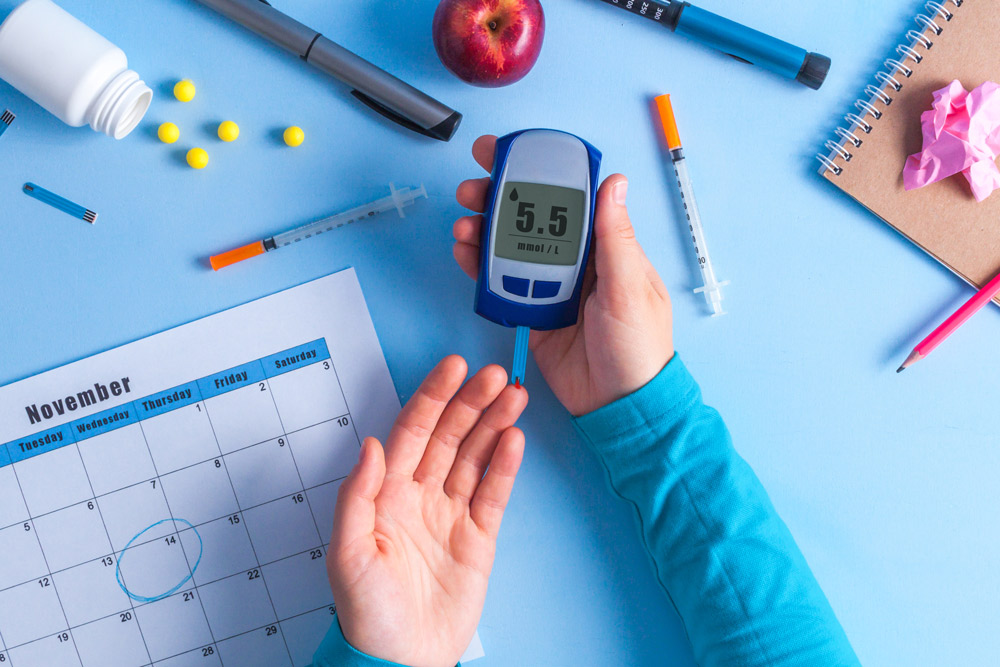
Students with diabetes in UAE schools will be permitted to use mobile phones connected to glucose sensors and to bring water and snacks into examination halls, under guidelines set out by the Ministry of Education. The measures form part of a guide on managing diabetes among school students, prepared by the ministry's Quality of Life Department in November 2026, which also covers lessons, sports, school trips and other activities.
The ministry said the guidelines aim to provide a safe and supportive learning environment in which students with diabetes can participate fully in school life on an equal footing with their peers. Responsibilities are shared among schools, families and healthcare professionals, and each student must have an individual healthcare plan approved by their treating physician.
Exam allowances for students with diabetes
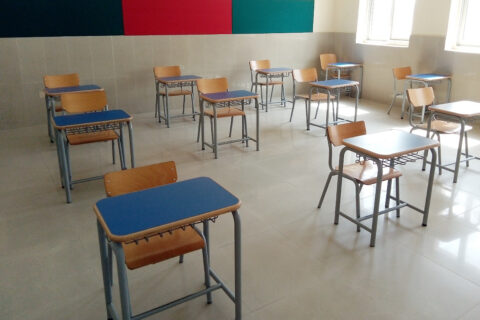
Under the guide, students will be permitted to use blood glucose monitors and mobile phones connected to glucose sensors during examinations, and to bring water and snacks into exam halls. If a student experiences low or high blood sugar levels during an examination, the exam clock must be paused and the time lost compensated for.
Students may also be allowed to retake an examination if their medical condition affects their performance. The ministry stressed that insulin pumps and continuous glucose monitors are medical devices that must not be removed or confiscated.
Students must be permitted to use mobile phones to view their glucose readings, while teachers must take device alerts seriously and notify school nursing staff.
| Area | What the guide provides |
|---|---|
| Devices in exams | Blood glucose monitors and mobile phones connected to glucose sensors permitted |
| Food and drink in exams | Water and snacks allowed in exam halls |
| Low or high blood sugar during an exam | Exam clock paused and the time lost compensated for |
| Retakes | Students may be allowed to retake an exam if their medical condition affects performance |
For background, see our report: UAE's First National High-Temperature Materials Laboratory Opens at Khalifa University.
Classroom rules in the new guidelines
In lessons, students with diabetes must be allowed to check their blood sugar levels at any time, eat food and drink water whenever necessary, and use the toilet without repeatedly seeking permission. They must also be allowed to sit in a location where teachers can easily monitor their wellbeing.
Students must not be penalised for absences related to medical treatment. Teachers must respect their privacy by avoiding references to their health condition in front of classmates.
Read more: UAE Ranks Joint First in Gallup Global Safety Report 2026 as 96% Feel Safe Walking Alone at Night.
Individual healthcare plan: eight required areas
The ministry requires every student with diabetes to have an individual healthcare plan prepared by a specialist physician. The plan must cover eight key areas:
- Target blood glucose range
- Glucose monitoring schedules and insulin doses
- Symptoms of low and high blood sugar
- Treatment procedures for each condition
- Meal and snack requirements
- Physical activity instructions
- Medical devices used by the student
- Parent and emergency contact numbers
Responsibilities of parents, schools and nursing staff
| Party | Responsibilities under the guide |
|---|---|
| Parents | Submit the healthcare plan and medical reports at the beginning of the academic year; provide medical supplies and snacks; keep contact details up to date; immediately notify the school of any changes to treatment |
| School administrators | Maintain a register of students with chronic health conditions; ensure that teachers are informed |
| School nursing staff | Implement healthcare plans; monitor glucose readings and insulin doses; maintain medication and emergency kits; train teachers; document incidents; communicate with families |
For related coverage, see UAE Ministry of Interior Warns Residents Against Fake Domestic Worker Recruitment Accounts.
Sports activities and school trips
The ministry encouraged schools to support students with diabetes in participating in physical activities rather than excluding them. Under the guide, blood glucose levels should be checked before exercise, and students should have access to snacks, fast-acting sources of sugar and water.
Teachers must monitor students during and after exercise; the guide notes that a drop in blood sugar levels may occur several hours later.
For school trips and outdoor activities, the ministry outlined three requirements: parents and school nursing staff must be notified in advance; a trained individual must accompany the student and carry an emergency kit; and meal schedules must be observed, with medical equipment protected from exposure to heat.
Read more: Jebel Jais Records Lowest Temperature in the UAE at 10.3°C on 21 November.
Dignity, privacy and emergency preparedness
Teachers have been advised to praise students for following their healthcare plans rather than focusing on their glucose readings. They should also avoid commenting on students' food choices or referring to them as sick in front of their classmates.
Teachers are required to keep fast-acting sources of sugar in classrooms, leave clear instructions for substitute teachers, document medical incidents and notify nursing staff and parents.
The ministry emphasised that the guidelines do not replace the instructions of the treating physician or the student's approved individual healthcare plan. The diabetes guidelines for UAE schools come from the Ministry of Education; information on federal government services is available on the UAE Government portal.
For background, see our coverage: Water Lab to Showcase More Than 50 Innovations at UN Water Conference in Abu Dhabi.
Frequently Asked Questions
Can students with diabetes use mobile phones during exams?
Yes. Under the Ministry of Education guide, they may use blood glucose monitors and mobile phones connected to glucose sensors during examinations.
What happens if a student's blood sugar drops or rises during an exam?
The exam clock must be paused and the time lost compensated for.
Who prepares the individual healthcare plan?
The guide says the plan is prepared by a specialist physician and approved by the student's treating physician.
What must parents provide to the school?
Parents must submit the healthcare plan and medical reports at the beginning of the academic year and provide medical supplies and snacks, among other duties set out in the guide.
Do the guidelines replace a doctor's instructions?
No. The ministry emphasised that the guidelines do not replace the instructions of the treating physician or the student's approved individual healthcare plan.
Filed under
- Classroom rules
- Diabetes guidelines
- Ministry of Education
- School examinations
- Student health
- UAE schools
Comments
No comments yet. If you know something about this story that we do not, the newsroom would rather hear it directly — get in touch.