Feature
Khor Mor Gas Field Drone Strike Cuts Kurdistan Power by 2.8 GW in Iraq
A drone strike on the Khor Mor gas field has knocked about 2.8 GW of generating capacity offline across Iraqi Kurdistan and forced emergency measures to protect hospitals and water stations.
By Amani Khan
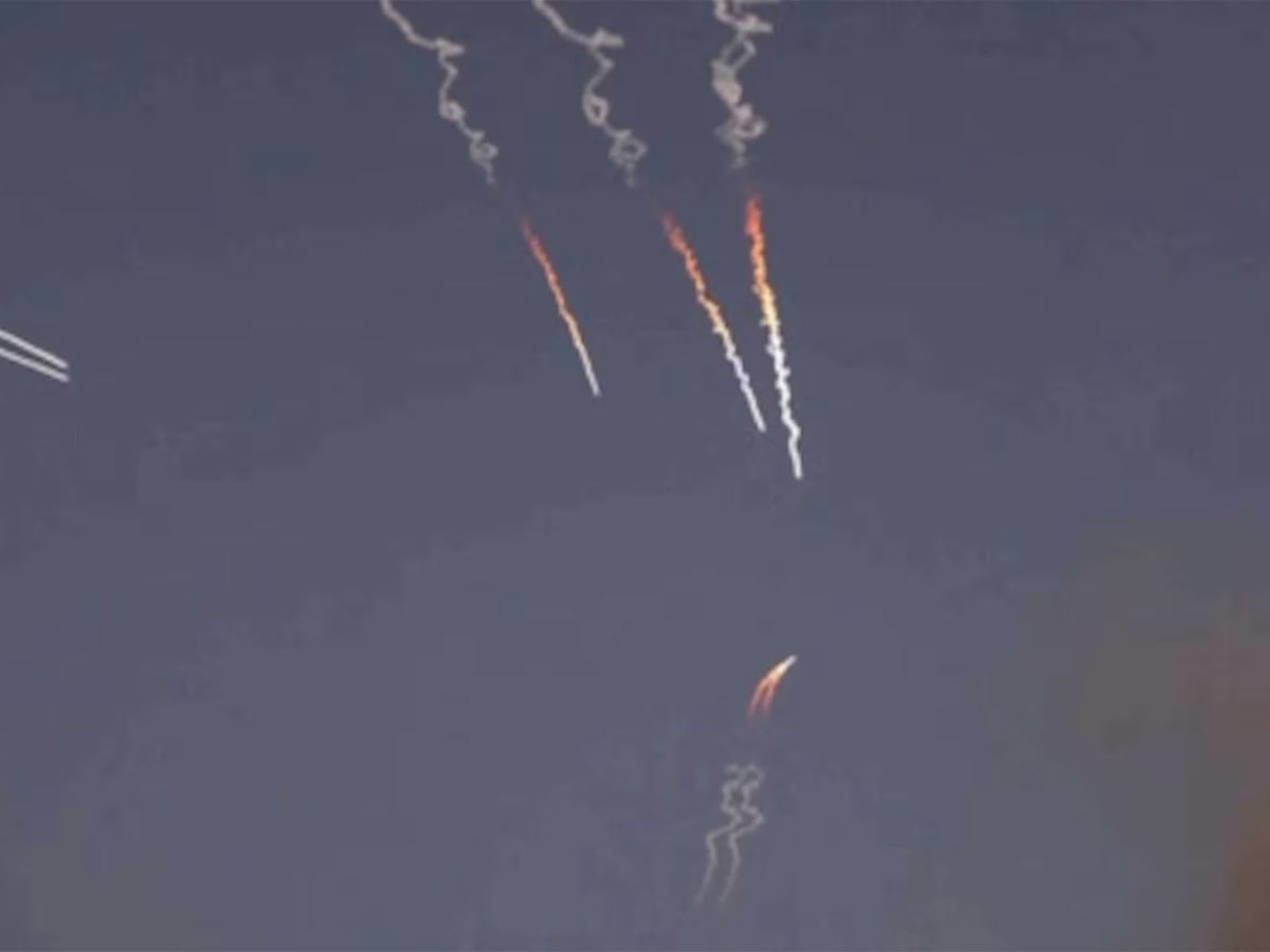
A drone strike on the Khor Mor gas field has stripped roughly 2.8 gigawatts from electricity generation in Iraqi Kurdistan. Officials are now racing to keep hospitals and water stations running.
The attack hit the Khor Mor gas field in Sulaimaniyah governorate late on Sunday (Nov. 8). Gas production halted after an explosive drone slammed into the facility.
For households across the region, the question is simple: how long will the lights stay on? You can also read our coverage of the Riyadh Aramco attack and missile alert for another energy-site incident in the region.
What happened at the Khor Mor gas field?
The Khor Mor gas field ranks as one of the largest gas fields in northern Iraq. The drone explosion forced an immediate disruption of gas supplies to power generation stations across the region.
Kurdish security forces confirmed the drone strike on the energy installation. The full extent of structural damage, and whether anyone died or suffered injury, remains under official assessment.
Omid Ahmed, spokesperson for the Ministry of Electricity in the Kurdistan Regional Government (KRG), has outlined the ministry's response. We detail it below.
Kurdistan Region electricity generation capacity: what the 2.8 GW loss means
The attack removed approximately 2,800 megawatts (2.8 GW) of electricity generation capacity in the Kurdistan Region. That figure counts generating capacity taken offline. It does not measure damage to the power stations themselves.
The logic is straightforward. Once the Khor Mor gas field stopped producing, the fuel stopped reaching the plants that depend on it.
| Detail | What we know |
|---|---|
| Target | Khor Mor gas field, Sulaimaniyah governorate, Iraqi Kurdistan |
| Timing | Late on Sunday (Nov. 8) |
| Capacity offline | Approximately 2.8 GW (2,800 MW) |
| Nature of the loss | Generating capacity offline, not damage to power stations |
| Claim of responsibility | None so far |
| Damage and casualties | Under official assessment |
Which cities lost gas supply to their power plants?
The shutdown cut fuel to vital power facilities serving five major urban centres:
- Erbil
- Sulaimaniyah
- Bazian
- Chamchamal
- Duhok
Erbil residents have already endured a rough stretch. For more, see our report on the Erbil flash floods that caused $8 million in damage.
How is Kurdistan avoiding a complete blackout?
Authorities have activated emergency protocols to safeguard critical public infrastructure. The aim is to keep the most sensitive sites powered while gas supplies stay down.
Ahmed set out the plan in plain terms: "To prevent a complete blackout, the Ministry of Electricity is working, through the operation of hydroelectric power stations at the Dokan and Darbandikhan dams and stations that can be operated with other fuels, to provide electricity to sensitive and important sites such as hospitals and water stations."
The priority list is clear. Hospitals and water stations come first, and the hydroelectric power stations at the Dokan and Darbandikhan dams carry much of that load.
Why the Khor Mor gas field matters to the whole grid
The Khor Mor gas field serves as the primary energy lifeline feeding thermal power stations across the Kurdistan region. When it stops, the effect spreads quickly through the network.
This is not the first time the site has come under attack. The Khor Mor gas field has repeatedly faced drone and rocket fire in recent years, and those incidents have caused recurrent blackouts.
That history explains the urgency now. A single point of supply carries a very large share of the region's power.
Khor Mor gas field drone strike: who is responsible?
No answer yet. Kurdish security forces stated that no group has formally claimed responsibility for the assault.
Investigators have not publicly named a suspect. We will update this report as officials complete their assessment of the damage and any casualties.
Such uncertainty is familiar in a region where security incidents often unfold quickly. Also check out our report on the kidnapping of Syrian pharma tycoon Fadi Barakat for another recent security story from the wider Middle East.
Security talks with Tehran ran in parallel
The strike on the energy hub coincided with high-level security talks between Kurdish authorities and Tehran. The President of the semi-autonomous KRG received an Iranian delegation to review cross-border security mechanisms and preserve stability in northern Iraq.
An official statement from the KRG presidency said both sides underlined the imperative of regional coordination. They stressed the "necessity of relying on dialogue, peaceful solutions, and diplomacy to address disputes and challenges."
The talks also reviewed existing security agreements signed between Iran, Iraq and the Kurdish regional authorities. The statement did not link the meeting to the attack.
What happens next for the Khor Mor gas field?
Three questions will shape the coming days. How badly did the attack damage the facility? How long will production stay halted? And how long can alternative fuel and hydroelectric output cover the gap?
Officials have not given a restart date for the Khor Mor gas field. Until they do, the region leans on the Dokan and Darbandikhan dams and on stations that can run on other fuels.
Residents in Erbil, Sulaimaniyah, Bazian, Chamchamal and Duhok should expect pressure on supply while that arrangement lasts. Official bulletins on the UAE Government portal and the Emirates News Agency track regional developments for readers in the Gulf.
The disruption also touches regional travel and logistics planning. For the latest on airline operations, see our guide to UAE flight status and airline updates.
For another breaking incident with a high casualty toll in the region, read our report on the Egypt train collision in Giza.
The Khor Mor gas field strike shows how exposed a single energy site can leave an entire region. The Khor Mor gas field has become a recurring target, and each hit ripples straight into homes, clinics and water supplies.
Frequently Asked Questions
What is the Khor Mor gas field?
The Khor Mor gas field is one of the largest gas fields in northern Iraq, located in Sulaimaniyah governorate. It serves as the primary energy lifeline feeding thermal power stations across the Kurdistan region.
How much electricity did the drone strike remove?
The strike cut approximately 2.8 GW (2,800 MW) of electricity generation capacity in the Kurdistan Region. That figure reflects capacity taken offline, not damage to the power stations.
Which cities are affected?
The shutdown cut fuel to power facilities serving Erbil, Sulaimaniyah, Bazian, Chamchamal and Duhok.
How are authorities protecting hospitals and water stations?
The KRG Ministry of Electricity is operating hydroelectric power stations at the Dokan and Darbandikhan dams, plus stations that can run on other fuels. These supply sensitive sites such as hospitals and water stations.
Has anyone claimed responsibility for the attack?
No. Kurdish security forces stated that no group has formally claimed responsibility for the assault.
Filed under
- Dokan and Darbandikhan dams
- drone strike Iraq
- Iraq electricity
- Iraqi Kurdistan
- Khor Mor gas field
- KRG Ministry of Electricity
- Kurdistan power outage
- Middle East energy
Comments
No comments yet. If you know something about this story that we do not, the newsroom would rather hear it directly — get in touch.