Business
Oil Shipping Costs Hit $49.42 a Barrel on Middle East–East Asia Route
Oil shipping costs on the Middle East–East Asia route have soared to $49.42 a barrel. See what OPEC's data means for fuel prices and inflation.
By Amani Khan
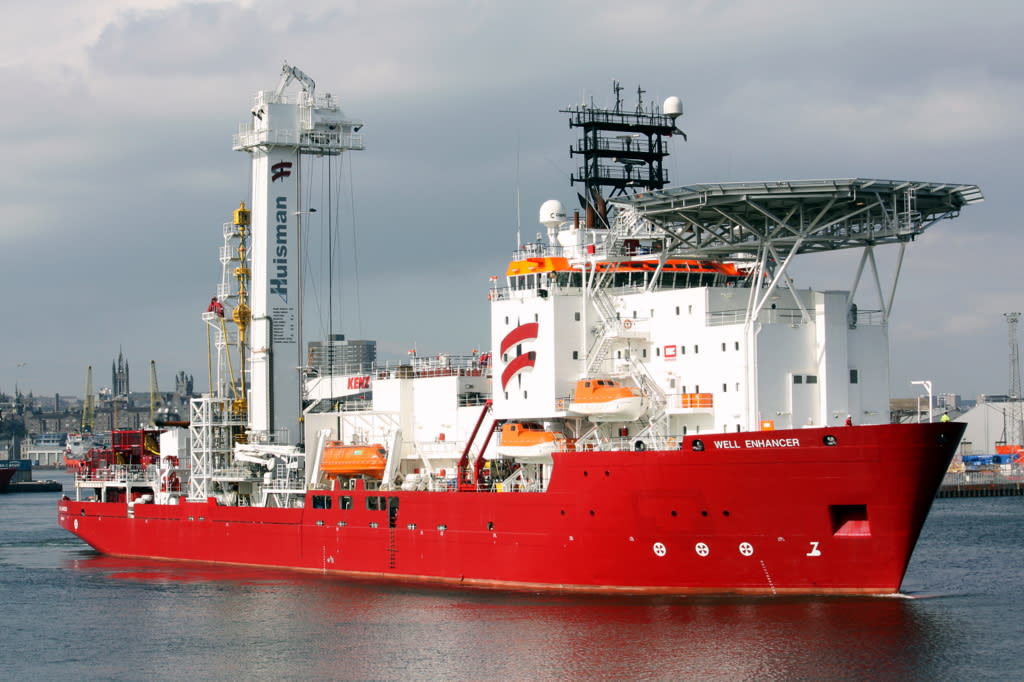
Oil shipping costs have exploded to $49.42 a barrel on the Middle East–East Asia route, and that bill does not vanish when crude prices cool. The latest OPEC figures show the real energy shock now sits in the cost of moving oil, not just in the price of it.
The headline crude price tells only part of the story. Oil shipping costs have become a major source of energy inflation for importers, businesses and households.
Why Have Oil Shipping Costs Jumped to $49.42 a Barrel?
OPEC's November 2026 report shows that tanker freight and marine insurance on this route combined to $49.42 per barrel in October. In January, the same figure stood at just $3.24. That adds $46.18 per barrel in nine months.
The point is simple. Oil shipping costs can push up the final price of imported oil even when crude itself does not rise by the same amount.
| Cost component (Middle East to East Asia) | January | October | Change |
|---|---|---|---|
| VLCC freight (per barrel) | $3.18 | $37.13 | Nearly 12 times higher |
| Marine insurance (per barrel) | $0.06 | $12.29 | More than 200 times higher |
| Freight and insurance combined (per barrel) | $3.24 | $49.42 | Up $46.18 per barrel |
| Share of total crude oil costs on the route | Approximately 5% | 30% | Share has risen sharply |
How Tanker Freight and Marine Insurance Drove Oil Shipping Costs Higher
Two line items account for the entire jump. Both have moved far beyond anything crude prices alone would suggest.
VLCC Freight Rates: Nearly 12 Times Higher
The biggest increase came from very large crude carrier (VLCC) freight rates. They climbed from $3.18 per barrel in January to $37.13 in October, nearly 12 times higher.
These VLCC freight rates are not a rise in the price of crude. They measure the extra cost of carrying oil from producing regions to major consuming markets.
Marine Insurance: More Than 200 Times the January Level
Marine insurance recorded an even more extraordinary leap. It rose from $0.06 to $12.29 per barrel, more than 200 times the January level.
Insurance was once a rounding error in the cost of a cargo. It is now a line item that buyers cannot ignore, and it shows how far oil shipping costs have moved.
Oil Shipping Costs Now Take 30% of the Total Bill
The surge has changed the economics of moving Middle Eastern crude to Asian markets. In January, freight and insurance made up approximately 5% of total crude oil costs along the route.
By October, that combined share had reached 30%. Oil shipping costs have gone from a small component of delivered oil to a major expense in the supply chain.
Why Are Oil Shipping Costs Rising Faster Than the Tanker Fleet Explains?
OPEC makes one observation that stands out. The current disruption to the tanker fleet explains only a small fraction of the increase in freight rates and insurance premiums.
That suggests the surge in oil shipping costs goes beyond how many tankers are available. Security risks, uncertainty over shipping routes and the higher cost of insuring vessels in a volatile maritime environment can all shape the economics.
For shipping companies, operating in or near conflict-affected waters can mean higher operating and insurance expenses. Those costs ultimately feed into the price of delivering crude to buyers.
For wider context on the regional backdrop, you can also read our coverage of eight developments UAE residents should note as flight disruption continues.
What Higher Oil Shipping Costs Mean for Fuel Prices and Energy Inflation
The impact reaches well beyond the oil industry. Four pressure points stand out.
- Oil-importing countries face higher costs. Even if international crude benchmarks stabilise or decline, elevated transport and insurance expenses can keep delivered oil prices high.
- Fuel prices face extra pressure. Refiners and fuel distributors may pass higher procurement and logistics costs through to wholesale and retail markets.
- Inflation risks increase. More expensive energy feeds into electricity generation, manufacturing, aviation, shipping, agriculture and food distribution.
- Asian economies are particularly exposed. Countries heavily dependent on Middle Eastern crude, including China, India, Japan, South Korea and the Philippines, face additional costs when importing energy.
This is how energy inflation spreads. Oil shipping costs rise first, and the effect then works through the economy sector by sector.
Aviation sits on that list, and disruption in the skies is already a live story. Also check out our report on European flights targeted by bomb threats as fighter jets scramble.
Will Oil Shipping Costs Fall When Crude Prices Ease?
Not necessarily. The data shows that the extra cost of moving oil can remain a burden on consumers and businesses even when crude prices begin to ease.
That makes oil shipping costs a separate variable that policymakers, traders and shoppers need to track. A falling benchmark no longer guarantees a cheaper delivered barrel.
For official economic and energy updates, visit the UAE Government portal. For monetary and price-stability context, the UAE Central Bank publishes its own material.
Consumers already feel pressure in other parts of the household budget. For more, see our guide to what shoppers should know as the Amazon 11.11 sale goes live in the UAE.
The Bottom Line on Oil Shipping Costs
The world is not just paying more for oil. It is paying substantially more to move it. Freight alone is nearly 12 times higher, insurance is up more than 200-fold, and together they now account for 30% of total crude costs on this route.
Watch oil shipping costs as closely as you watch crude benchmarks. They now decide how much importers pay in the end.
Gulf travel and logistics are also adjusting to security concerns. You can also read our coverage of the Kuwait airport photography ban, and see our report on the Saudi Arabia weather warning for thunderstorms and flash floods.
Frequently Asked Questions
How high are oil shipping costs on the Middle East to East Asia route?
OPEC's November 2026 report shows freight and marine insurance combined reached $49.42 per barrel in October. That compares with $3.24 in January, an increase of $46.18 per barrel.
How much have VLCC freight rates risen?
VLCC freight rates jumped from $3.18 per barrel in January to $37.13 in October, nearly 12 times higher.
How much has marine insurance increased?
Marine insurance rose from $0.06 to $12.29 per barrel, more than 200 times the January level.
What share of crude costs do freight and insurance now represent?
The combined share rose from approximately 5% in January to 30% in October.
Which countries are most exposed to higher oil shipping costs?
Asian economies that depend heavily on Middle Eastern crude face the greatest exposure. They include China, India, Japan, South Korea and the Philippines.
Filed under
- energy inflation
- fuel prices outlook
- marine insurance
- Middle East oil exports
- oil shipping costs
- OPEC report
- tanker freight rates
Comments
No comments yet. If you know something about this story that we do not, the newsroom would rather hear it directly — get in touch.