Politics
GCC Command Centre in Kuwait Approved to Boost Joint Defence
Gulf defence ministers have approved a new GCC command centre in Kuwait and allocated forces to run it, a major step for collective defence amid escalating regional threats.
By Amani Khan
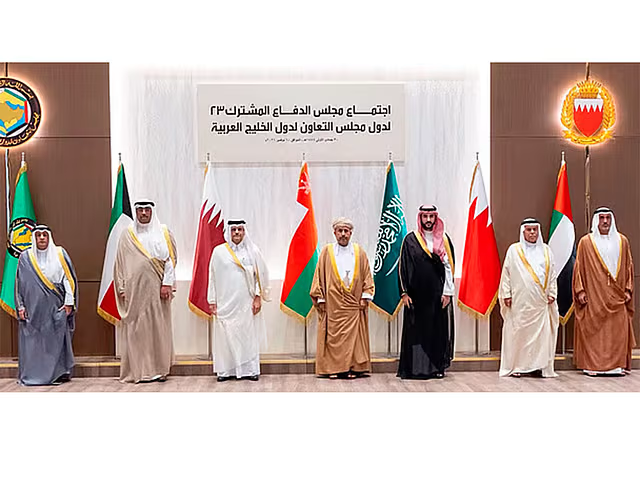
New GCC command centre in Kuwait gives Gulf forces a sharper, more coordinated defence structure at a tense moment for the region.
Defence ministers approved the GCC command centre for the GCC Unified Military Command during the 23rd session of the GCC Joint Defence Council in Manama on Tuesday. They also allocated military forces to support its operations.
The decision aims to strengthen collective defence amid escalating regional security challenges. Lieutenant General Abdullah bin Hassan Al Nuaimi, Bahrain's Minister of Defence Affairs, chaired the session.
GCC Secretary-General Jasem Mohamed Al Budaiwi announced the decision. He called it a significant step towards enhancing joint Gulf military cooperation, operational coordination and collective security.
What Did the 23rd Session of the GCC Joint Defence Council Decide?
The ministers took two linked decisions. They approved an advanced command centre in Kuwait and committed military forces to support it. The GCC command centre will form part of efforts to reinforce the bloc's joint military capabilities and enhance its preparedness for evolving regional security threats.
Here are the key facts at a glance.
| Detail | What was decided |
|---|---|
| Decision | Establish an advanced command centre for the GCC Unified Military Command |
| Location | Kuwait |
| Forces | Military forces allocated to support its operations |
| Forum | 23rd session of the GCC Joint Defence Council |
| Venue | Manama |
| Day | Tuesday |
| Chair | Lieutenant General Abdullah bin Hassan Al Nuaimi, Bahrain's Minister of Defence Affairs |
| Announced by | GCC Secretary-General Jasem Mohamed Al Budaiwi |
Why the GCC Command Centre in Kuwait Matters
The GCC already operates a Unified Military Command headquartered in Riyadh. Member states established it to strengthen collective security and coordinate defence operations. The GCC command centre in Kuwait now extends that structure with an advanced centre for the same command.
The bloc comprises the UAE, Saudi Arabia, Kuwait, Bahrain, Qatar and Oman. It has worked to deepen defence integration through joint military structures, enhanced operational readiness and closer coordination among its armed forces. The new GCC command centre continues that push.
Joint Military Cooperation Among Gulf States Has Leaders' Backing
Al Budaiwi said joint military action continued to receive the full attention, support and backing of GCC leaders. He said this reflects their commitment to protecting the sovereignty, security and territorial integrity of member states.
He stressed that GCC leaders regard the armed forces of member states as sharing a collective responsibility. That responsibility covers safeguarding regional security and stability, preserving national independence and strengthening readiness to confront current and emerging threats.
He also pointed to directives that GCC leaders issued at their extraordinary meeting in Jeddah last April. Those directives called for stronger joint military cooperation and a greater capacity to respond to shared security challenges. The approval of the GCC command centre follows them.
Collective Defence Amid Regional Tensions
Al Budaiwi condemned what he described as Iranian attacks against GCC countries. He praised the high level of military cooperation and coordination that member states showed in responding to the attacks and their repercussions.
He said the response reflected Gulf solidarity and reaffirmed that the security of member states is a shared responsibility. Integrating military capabilities, intelligence and operational coordination, he said, would strengthen the bloc's ability to defend its territories, protect its resources and safeguard citizens and residents. That is the logic behind the GCC command centre.
He also commended the courage, professionalism and operational capabilities of GCC armed forces in confronting what he described as Iranian aggression. He paid tribute to military personnel who lost their lives performing their national duties. He offered condolences to their families and wished the wounded a speedy recovery.
Al Budaiwi strongly condemned attacks targeting GCC countries, particularly those affecting civilian areas and vital infrastructure. He also denounced attacks attributed to the Houthi movement against Saudi Arabia, including incidents involving sites considered sacred by Muslims.
Gulf Security Stories We Are Following
The regional picture behind this decision is shifting fast. Also check out our report on the fire at the Saudi East-West pipeline for one recent incident.
You can also read our coverage of Riyadh schools moving to online classes after a precautionary announcement. For more on regional infrastructure risks, see our report on the Khor Mor gas field drone strike that cut Kurdistan power by 2.8 GW.
What the GCC Command Centre Means for Gulf Security
The announcement sends a clear message on Gulf security. Member states want their armed forces to act as one, with shared command, shared intelligence and shared responsibility. The GCC command centre gives that aim a physical base in Kuwait, backed by allocated forces.
The announcement covered the approval and the allocation of forces. Details on force levels and timing did not feature in it. We will report those details as the GCC releases them.
Saudi Arabia sits at the centre of several current security concerns, and it also hosts the existing Unified Military Command in Riyadh. For another Saudi story with regional weight, see our guide to Saudi Arabia securing 1.3 million beds for 2027 Hajj. Gulf ties also run through finance, as our report on FAB's acquisition of Bahrain-based Yasira shows.
For official updates from the Emirates, follow the Emirates News Agency. You can find UAE government information on the UAE Government portal.
Frequently Asked Questions
What is the new GCC command centre?
It is an advanced command centre for the GCC Unified Military Command, approved by GCC defence ministers. It will operate in Kuwait with military forces allocated to support its operations.
Where and when did the GCC approve the command centre?
The 23rd session of the GCC Joint Defence Council approved it in Manama on Tuesday. Lieutenant General Abdullah bin Hassan Al Nuaimi, Bahrain's Minister of Defence Affairs, chaired the session.
Where is the GCC Unified Military Command headquartered?
The GCC Unified Military Command is headquartered in Riyadh. The new advanced centre in Kuwait will form part of efforts to reinforce the bloc's joint military capabilities.
Filed under
- collective defence
- GCC command centre
- GCC Joint Defence Council
- GCC Unified Military Command
- Gulf defence
- Gulf security
- Kuwait command centre
Comments
No comments yet. If you know something about this story that we do not, the newsroom would rather hear it directly — get in touch.