World
Giza Flat Death: Ex-Minister's Sister Lay Undiscovered for Three Years
Giza flat death has shocked Egypt after police sent to evict an ophthalmologist, the sister of a former minister, found her remains three years after she died.
By Amani Khan
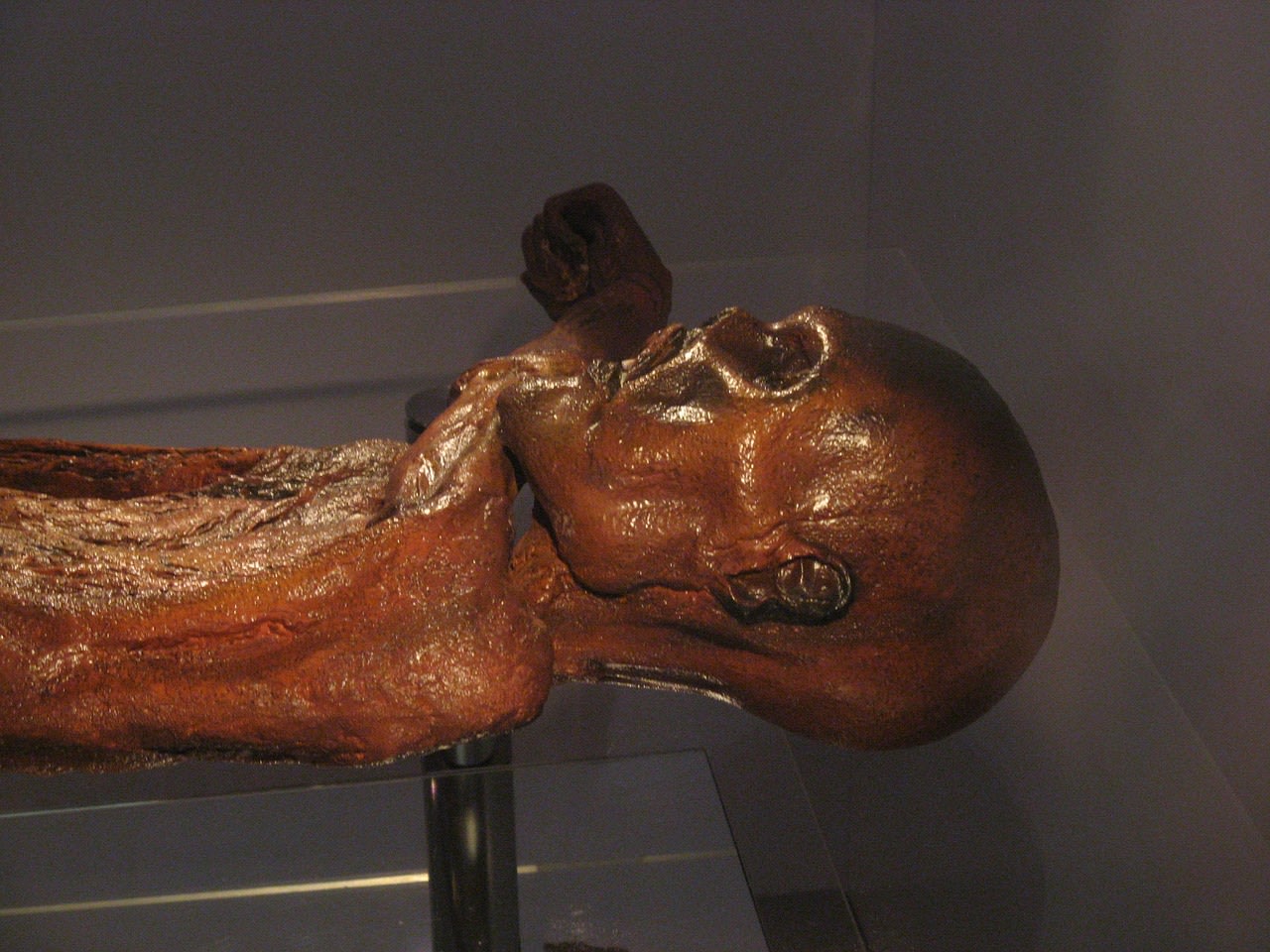
A Giza flat death has exposed how a person can vanish from daily life without anyone noticing. Police went to evict an Egyptian ophthalmologist from her apartment and found her skeletal remains instead.
The discovery came in the Al Haram district of Egypt's Giza governorate. What began as routine paperwork ended as a police investigation, and the Giza flat death case now leaves a troubling question hanging over the neighbourhood.
What Happened in the Giza Flat Death?
Officers arrived at the apartment to enforce a court-ordered eviction. The order favoured the property owner after a prolonged rental dispute. Nobody expected a tragedy behind the door.
Inside one of the rooms, officers found human skeletal remains. The Giza flat death turned in an instant from a civil matter into an inquiry into who the deceased was and how she died.
Investigators then established the identity. The remains belonged to the tenant herself, an Egyptian ophthalmologist who was also the sister of a former government minister.
Giza Flat Death: The Key Facts at a Glance
The main details of the case are easy to lose in the shock. This table sets out what investigators have established.
| Detail | What investigators found |
|---|---|
| Location | Al Haram district, Giza governorate, Egypt |
| Reason police attended | Court-ordered eviction in favour of the property owner |
| Background | Prolonged rental dispute; tenant had stopped paying rent for several years |
| Identity of the deceased | The tenant, an Egyptian ophthalmologist and sister of a former government minister |
| Estimated time of death | Approximately three years before discovery |
| Cause of death | Natural causes; no evidence of assault or criminal involvement |
| Final step | Prosecutors authorised burial of the remains |
How Did an Eviction Order Uncover the Remains?
An eviction order, not a missing-person report, exposed the truth. The tenant had stopped paying rent for several years. Her landlord pursued legal action to regain possession of the property.
That legal route led police to the door. Nobody had reported the woman missing. The Giza flat death surfaced only because a court order forced officers inside.
The sequence matters. Years of unpaid rent did not trigger a welfare check. A legal enforcement did.
Forensic Findings: She Died of Natural Causes
Forensic examiners found the doctor had died approximately three years before her remains were discovered. They concluded she died of natural causes. They found no evidence of assault or criminal involvement.
Those findings shaped the rest of the Giza flat death investigation. Police investigators ruled out foul play and passed their conclusions to prosecutors.
Authorities also examined the circumstances of the case. They set out to determine the cause of death and how long the woman's body had remained undiscovered.
What Did the South Giza Public Prosecution Decide?
The South Giza Public Prosecution received the findings of the police investigations. Those findings ruled out foul play. Prosecutors completed the necessary legal procedures and received the final forensic report.
They then authorised the burial of the remains. That step closed the formal inquiry into the Giza flat death, although the human questions linger.
Why the Giza Flat Death Raises Troubling Questions
Investigators found no crime. Even so, the case has prompted unease about how someone could remain undiscovered in their own home for so long.
The ophthalmologist lived alone. Her absence went unnoticed for years. In the Giza flat death, no one raised an alarm about a woman who practised medicine and whose brother had served in government.
The case shows that a respected professional can disappear from view without a trace of concern. It also shows that legal processes, rather than people, can end up discovering the worst.
What the Giza Flat Death Tells Us About Living Alone
The facts here are stark, and they carry a simple lesson. Isolation can hide a tragedy for years. A person who lives alone, with no regular contact, may leave no one positioned to notice a change.
The Giza flat death also underlines how much a landlord's legal action can reveal. The owner sought only possession of the property. The court order delivered something far heavier.
For readers across the Gulf, the story is a reminder to check on neighbours, relatives and colleagues who live by themselves. Also check out our feature on Emirati hospitality and knowing when a visit is really over, which explores the value of personal connection.
Police Procedure and Community Awareness
Police acted on a lawful order and handled the scene as an investigation once they found the remains. Residents in the UAE who want to understand how police services work can visit the Ministry of Interior website. The UAE Government portal also lists official services for residents.
For more on police enforcement closer to home, you can also read our coverage of how Abu Dhabi Police impounded 1,596 vehicles in 10 months. Our report on a Kenya cult leader jailed for 200 years over 191 murders covers a very different kind of investigation.
For wider regional news, see our report on the Yemen market airstrike in Taiz. You can also read about the ruler's surprise visit to Cherry House, a lighter story about community life.
The Bottom Line on the Giza Flat Death
The Giza flat death carries no suspicion of a crime. Forensic examiners found natural causes, and prosecutors authorised burial. The case still lands hard because of how it came to light: through an eviction order, three years after the doctor died.
Frequently Asked Questions
What is the Giza flat death case?
Police enforcing a court-ordered eviction in Giza's Al Haram district found the skeletal remains of the tenant, an Egyptian ophthalmologist. She was the sister of a former government minister.
How long had the doctor been dead?
Forensic findings indicated she had died approximately three years before her remains were discovered.
Did investigators suspect foul play?
No. Examiners concluded she died of natural causes, with no evidence of assault or criminal involvement.
Why did police go to the apartment?
The property owner had obtained a court order to evict the tenant after a prolonged rental dispute. She had stopped paying rent for several years.
What happened to the remains?
The South Giza Public Prosecution authorised burial after the necessary legal procedures were completed and the final forensic report arrived.
Filed under
- Al Haram Giza
- died of natural causes
- Egypt news
- Egyptian ophthalmologist
- eviction order Egypt
- former minister's sister
- Giza flat death
- South Giza Public Prosecution
Comments
No comments yet. If you know something about this story that we do not, the newsroom would rather hear it directly — get in touch.