Opinion
Donkey Skin Trade: Why Each Skin Fetches $400 in Africa's Illegal Market
The donkey skin trade is fuelling theft, secret slaughter and cross-border smuggling across Africa, and it threatens millions of rural families who rely on donkeys to survive.
By Amani Khan
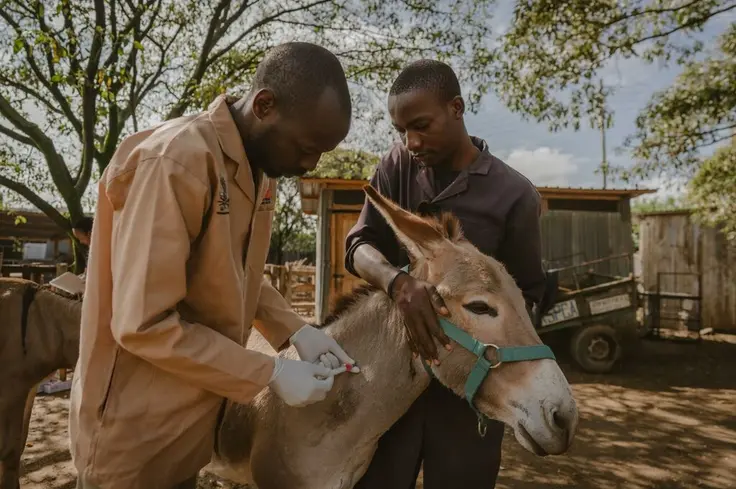
Donkey skin trade is turning one of Africa's hardest-working animals into a $400 commodity, and it threatens millions of rural families who depend on them.
Criminal networks smuggle donkeys across borders, slaughter them in illegal abattoirs and export their skins. Each skin can fetch around $400.
What Is Donkey Skin Trade Doing to Africa?
Donkey skin trade is expanding, and the warnings from animal welfare campaigners are growing louder. Donkeys across Africa now face rising threats from organised criminals who steal them, buy them cheaply and process them in secret.
The stakes reach well beyond animal welfare. The expanding trade threatens donkey populations across the continent. It could also deprive millions of rural families of a vital source of transport, work and income.
Unregulated slaughter adds another layer of risk. It raises health and environmental concerns that no authority is monitoring when the killing happens out of sight.
Donkey Skin Trade Key Figures at a Glance
The numbers show how large the problem has become. The Donkey Sanctuary, an animal welfare organisation, supplies the estimates below.
| Measure | Figure |
|---|---|
| Value of one donkey skin | Around $400 |
| Donkeys slaughtered for their skins each year | An estimated six million |
| Global donkey population | Around 50 million |
| Share of the global donkey population found in Africa | Approximately 70 per cent |
Six million animals a year, from a global population of around 50 million, is a heavy toll. Most of the world's donkeys live in Africa, so the continent absorbs much of the pressure.
Why Gelatine From Donkey Skins Drives Demand
The donkey skin trade runs on demand for gelatine. Producers extract it from donkey skins and use it in medicinal and traditional products popular in some Asian markets.
Buyers in those markets believe the products help preserve youth and improve health. That belief sustains the price of $400 a skin, and the price rewards anyone willing to break the law to supply it.
How Criminal Networks Run the Illegal Slaughter of Donkeys in Africa
The illegal slaughter of donkeys in Africa follows a clear pattern. Alex Jonata, head of the Association for the Protection of Donkeys in Africa, said specialised networks target villagers and offer high prices for their donkeys. Other gangs skip the offer and steal the animals outright.
The chain then works in four steps:
- Networks buy donkeys from villagers or gangs steal them.
- Handlers transport the animals to remote locations.
- Slaughterers kill them in secret, away from inspection.
- Traders collect the skins and sell them.
The remote setting matters. Illegal abattoirs operate beyond the reach of any health or environmental checks, which is why the donkey skin trade worries public health experts as well as animal welfare groups.
Why Donkeys Matter to Rural Families
Across large parts of Africa, donkeys are working animals, not luxuries. They carry the essentials that families cannot easily move by any other means.
| Role | What the donkey carries or does |
|---|---|
| Daily survival | Transports water, food and medicine |
| Farming and trade | Carries crops and agricultural products to markets |
| Education | Helps transport children to school in some remote communities |
A donkey in a remote village is part of the household economy. Remove it, and the family loses a way to earn, to eat and to move.
How the Donkey Skin Trade Threatens Rural Livelihoods
Esme Primrose Wheeler, Public Affairs Manager at The Donkey Sanctuary, said the trade is responsible for the slaughter of millions of donkeys each year. She stressed that this happens despite the crucial role the animals play in reducing poverty. Donkeys provide direct and indirect sources of income for millions of people.
The organisation also warned that losing a donkey to theft or slaughter means far more than losing an animal. It can strip an entire family of an essential means of production and livelihood. That, in turn, increases the economic and social pressures the family already faces.
This is the core of the story. The donkey skin trade does not just kill animals. It removes the working capital of some of the continent's most vulnerable households.
What Does the Donkey Skin Trade Mean for Health and the Environment?
The warnings about the donkey skin trade extend to public health and the environment. Slaughter without regulation raises concerns on both fronts, because nobody oversees how workers handle, process or dispose of the animals.
The pattern is familiar to anyone who follows illegal trade. When money is high and enforcement is thin, criminal networks fill the gap. For another African crime story, also check out our report on the Kenya starvation cult leader jailed for 200 years over 191 murders.
Trade flows between regions shape these markets. For more on how routes and costs move goods between the Middle East and East Asia, see our coverage of oil shipping costs hitting $49.42 a barrel.
Enforcement against illegal activity makes headlines closer to home, too. You can also read our coverage of how Abu Dhabi Police impounded 1,596 vehicles in 10 months over illegal modifications.
Why the Donkey Skin Trade Matters Beyond Africa
The donkey skin trade links remote African villages to distant consumer markets. Demand in one place drives theft and slaughter in another, and the pressure falls on families with the fewest options.
Standards and recognition systems can protect vulnerable groups when authorities enforce them. For a look at how standards work in practice, see our report on how Abu Dhabi launched a world-first quality recognition system for children's activities.
Markets respond to demand, and that applies to the donkey skin trade as much as any other. For another view of how demand shapes trading activity, read our guide to Muhurat Trading 2026 and how UAE residents can take part.
Frequently Asked Questions
How much does a donkey skin sell for in the donkey skin trade?
A donkey skin can fetch around $400. Criminal networks sell the skins after slaughtering the animals in secret.
How many donkeys die each year because of the donkey skin trade?
The Donkey Sanctuary estimates that six million donkeys are slaughtered for their skins each year. The global donkey population stands at around 50 million.
Why do buyers want donkey skins?
Producers extract gelatine from the skins for medicinal and traditional products popular in some Asian markets. Buyers believe those products help preserve youth and improve health.
How do criminals obtain the donkeys?
Specialised networks offer villagers high prices for their donkeys, while other gangs steal the animals. Handlers then take them to remote locations for secret slaughter.
Why does losing a donkey hurt rural families so badly?
Donkeys transport water, food, medicine and crops, and in some remote communities they help carry children to school. Losing one can deprive a family of an essential means of production and livelihood.
Filed under
- Africa donkey population
- animal welfare Africa
- donkey skin trade
- donkey skins
- gelatine demand
- illegal slaughter of donkeys
- rural livelihoods Africa
- The Donkey Sanctuary
Comments
No comments yet. If you know something about this story that we do not, the newsroom would rather hear it directly — get in touch.