World
Type 2 Diabetes Remission: What the International Definition Means and Who May Qualify
Zulekha Hospital has outlined how type 2 diabetes remission is defined, who may benefit and why medical supervision is essential, as patients weigh life without medication.
By Amani Khan
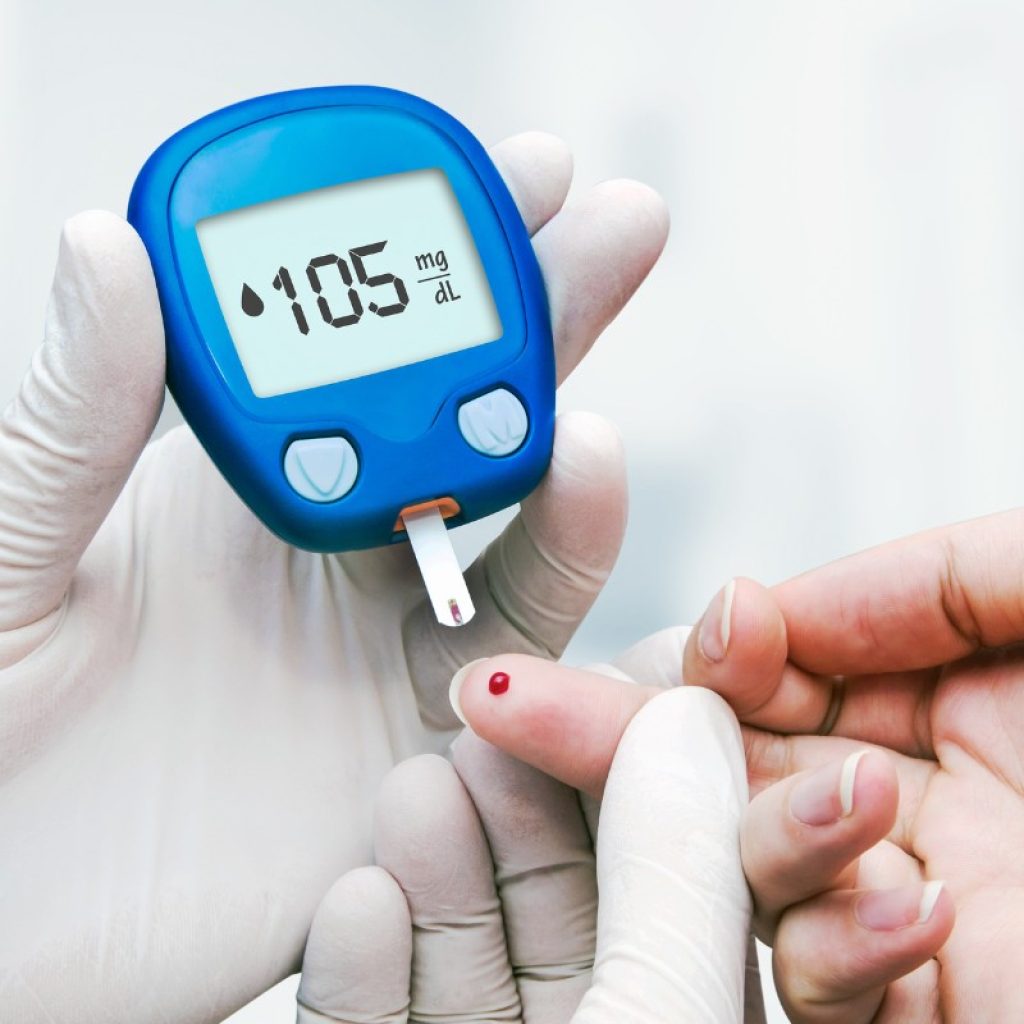
Zulekha Hospital has set out guidance that type 2 diabetes remission is possible for some patients, defined as keeping HbA1c below 6.5 per cent for at least three months without glucose-lowering medication.
The guidance stresses that a diagnosis of type 2 diabetes does not necessarily mean a lifetime of medication. It says remission can be achieved by some people through sustained weight management, healthier eating habits and regular physical activity.
Definition of type 2 diabetes remission
The guidance draws a clear line between diabetes reversal and remission, and says understanding the difference is essential. It cites an international consensus involving the American Diabetes Association (ADA), the Endocrine Society, the European Association for the Study of Diabetes (EASD) and Diabetes UK.
Under that consensus, type 2 diabetes remission means maintaining the HbA1c level below 6.5 per cent (48 mmol/mol) for at least three months without glucose-lowering medication.
The guidance adds that improved blood sugar control while a patient continues to take medication is different. It should not be confused with remission.
Who may benefit from a diabetes remission programme
People with a shorter history of type 2 diabetes may have a better opportunity to achieve remission, the guidance says. It singles out those diagnosed within the last six years.
Individuals who are not dependent on insulin may also benefit, as may those who are suitable candidates following medical assessment and are motivated to make sustainable lifestyle changes. The guidance states that the possibility and timeline of remission vary from person to person.
For background on other health developments in the emirate, see our coverage of American Hospital Dubai to Build Three Specialised Facilities at Dubai Science Park.
Weight management and lifestyle changes
Weight reduction is described as one of the key factors associated with type 2 diabetes remission. The guidance says that losing approximately 10–15kg, depending on an individual's starting weight and clinical condition, may significantly improve blood sugar control.
Nutrition
A balanced approach to nutrition is described as equally important. The guidance recommends prioritising whole foods, vegetables, lean proteins and fibre-rich meals, while reducing highly processed and sugary foods. It says this approach can support better metabolic health.
Physical activity
Physical activity also plays a vital role, according to the guidance. Adults should aim for at least 150 minutes of moderate-intensity aerobic exercise each week, such as brisk walking.
Resistance training can further help preserve muscle mass, the guidance says, while regular activity supports long-term weight management. Residents planning outdoor walks can consult our latest outlook: UAE Weather Forecast: Light Rain and Winds of Up to 40km/h Expected From Monday to Thursday.
Medical supervision and treatment
The guidance is unequivocal that diabetes remission should never be attempted through unsupervised medication changes or restrictive diets. Medical supervision, it says, is essential throughout the process.
Where clinically appropriate, medications such as GLP-1 receptor agonists may support appetite control and weight management alongside lifestyle interventions.
At Zulekha Hospital, the diabetes service offers structured weight management programmes, with and without GLP-1-based treatment, supported by individualised medical guidance. The guidance lists setting realistic goals, developing sustainable habits, monitoring progress and receiving continued professional support as important elements of the programme.
For wider context on public health oversight in Dubai, read more: our report on Dubai Municipality Launches intelSPECT AI Tool to Read Restaurant Reviews and Flag Food Safety Risks.
Life after remission
The guidance cautions that achieving remission does not mean diabetes has been permanently cured. Blood sugar levels and weight can increase again, which makes continued monitoring essential.
Regular clinical follow-ups and diabetes screening, generally every three months as advised by the treating physician, help assess whether remission is being maintained.
The guidance concludes that, with the right combination of medical support, weight management and sustainable lifestyle changes, type 2 diabetes remission can be an achievable goal for eligible individuals.
For related coverage on healthcare and education careers, see our report on Abu Dhabi to Train 250 Emiratis a Year for Inclusive Education Roles.
Key facts at a glance
| Item | Detail in the guidance |
|---|---|
| Definition of remission | HbA1c below 6.5 per cent (48 mmol/mol) for at least three months without glucose-lowering medication |
| Organisations in the consensus | American Diabetes Association, Endocrine Society, European Association for the Study of Diabetes, Diabetes UK |
| Time since diagnosis | Those diagnosed within the last six years may have a better opportunity |
| Weight loss cited | Approximately 10–15kg, depending on starting weight and clinical condition |
| Weekly exercise for adults | At least 150 minutes of moderate-intensity aerobic exercise |
| Follow-up after remission | Screening generally every three months, as advised by the treating physician |
Practical steps for residents
Anyone considering a remission programme should first seek a medical assessment, since the guidance says suitability is determined clinically. Medication or diet should not be changed without supervision.
Zulekha Hospital said patients can book an appointment with its specialists by calling or sending a WhatsApp message to +971 600 524442.
For wider safety and compliance news in the capital, see also our coverage of Abu Dhabi Launches Year-Long Campaign to Check Building CCTV Compliance.
Frequently Asked Questions
How is type 2 diabetes remission defined?
According to the international consensus involving the ADA, Endocrine Society, EASD and Diabetes UK, remission means maintaining an HbA1c level below 6.5 per cent (48 mmol/mol) for at least three months without glucose-lowering medication.
Is remission the same as a permanent cure?
No. The guidance says achieving remission does not mean diabetes has been permanently cured, and blood sugar levels and weight can increase again, so continued monitoring is essential.
Can patients stop their medication on their own?
No. The guidance says remission should never be attempted through unsupervised medication changes or restrictive diets, and that medical supervision is essential throughout the process.
Who may benefit from a remission programme?
People diagnosed within the last six years, those who are not dependent on insulin, and those who are suitable candidates after medical assessment and motivated to make sustainable lifestyle changes.
How often should screening take place after remission?
The guidance says regular follow-ups and diabetes screening are generally held every three months, as advised by the treating physician.
Filed under
- Diabetes remission
- Dubai health
- GLP-1 treatment
- HbA1c
- Type 2 diabetes
- UAE healthcare
- Weight management
- Zulekha Hospital
Comments
No comments yet. If you know something about this story that we do not, the newsroom would rather hear it directly — get in touch.